
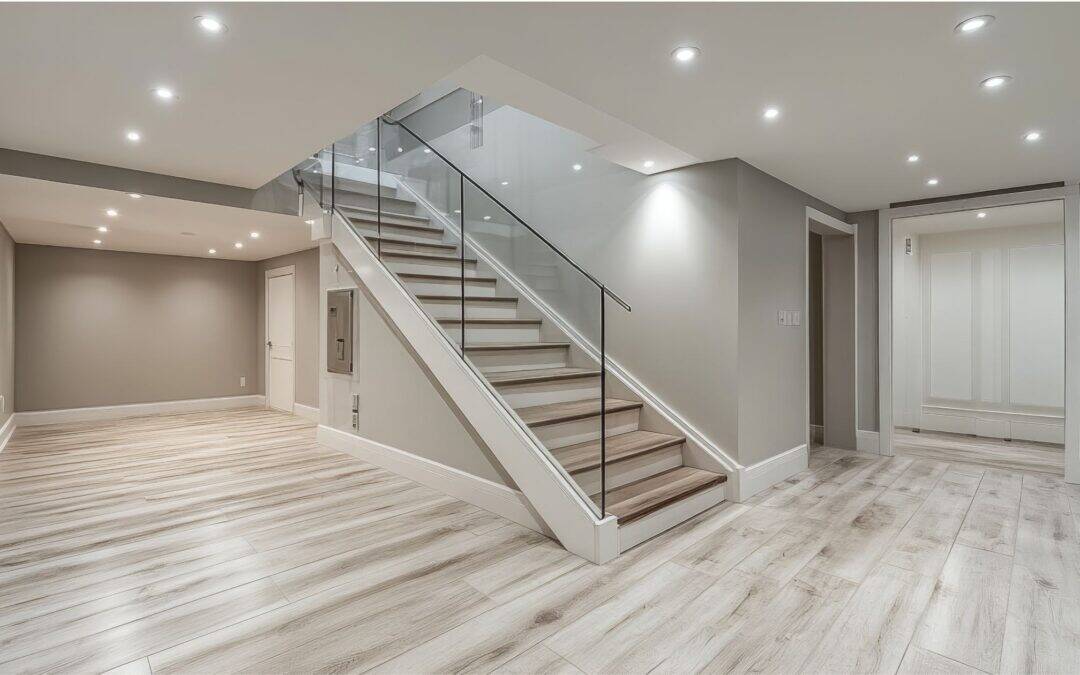
Transforming an underutilized basement into functional living space represents one of the smartest home improvement investments a homeowner can make. Basement finishing converts dark, cluttered storage areas into beautiful rooms that serve the family’s evolving needs. Whether creating a home theater, guest suite, home office, or playroom for the kids, a finished basement adds valuable square footage without the expense of building an addition. The job of basement finishing requires careful planning but delivers rewards that enhance daily life for years to come.
The process of basement finishing involves more than just adding walls and paint. Success requires careful planning around critical elements including moisture control, proper lighting, suitable flooring materials, adequate insulation, ceiling treatments, and compliance with building codes. Each decision affects both the functionality and longevity of the finished space. Understanding these key components helps homeowners avoid costly mistakes and create basements that remain comfortable and beautiful for decades. The money invested in proper basement finishing pays dividends through increased home value and expanded living space.
Home Style Improvement specializes in basement renovation projects throughout Frederick, Maryland, bringing expertise in transforming below-grade spaces into rooms that families love. The company understands the unique challenges that basement finishing presents and delivers solutions that address moisture issues, maximize natural light, and create welcoming environments. This comprehensive guide breaks down every aspect of the basement finishing process, providing homeowners with the knowledge needed to plan successful projects. From initial design concepts through final inspection, basement finishing transforms how families use their homes.
Did you know? A properly finished basement can increase a home’s resale value by up to 70 percent of the project cost, making it one of the highest-return renovations homeowners can undertake. The additional living space created through basement finishing often becomes the most popular area in the house.
Finished Basement Ideas That Will Wow You

Planning the layout and purpose of a finished basement starts with understanding how the space can best serve the household. The possibilities extend far beyond basic recreation rooms to include sophisticated home theaters with custom lighting and acoustic treatments, productive home offices with built-in cabinets and dedicated electrical work, luxurious guest suites complete with bathroom facilities, or multi-functional spaces that adapt to changing needs. Smart design considers traffic flow, ceiling height limitations, and the placement of existing mechanical systems that cannot be easily relocated. Basement finishing opens up new possibilities for how families live and entertain at home.
Creative finished basement ideas work within structural constraints while maximizing the space’s potential. Homeowners can incorporate wet bars with plumbing connections, exercise areas with durable flooring options, craft rooms with ample storage solutions, or children’s playrooms that grow with the family. The key lies in selecting a primary purpose that justifies the renovation investment while building in flexibility for future uses. Thoughtful planning during the design phase of basement finishing prevents expensive changes during construction. Consider how furniture placement will work with doors, windows, and traffic patterns to ensure the finished space functions beautifully.
The basement finishing process allows homeowners to create exactly the spaces they need for their lifestyle. Teen hangout spaces with gaming areas, meditation rooms for quiet reflection, wine cellars for collectors, or hobby workshops all become possible through basement finishing. Each project reflects the unique needs and preferences of the family. The investment in basement finishing delivers personalized living space that evolves with the household over time.
Explore inspiring finished basement ideas that demonstrate how creative design transforms dark, unused areas into the most popular rooms in the house. This article showcases real basement finishing projects that solved common challenges while delivering stunning results that homeowners treasure.
Bright Ideas: How to Light Up Your Basement the Right Way
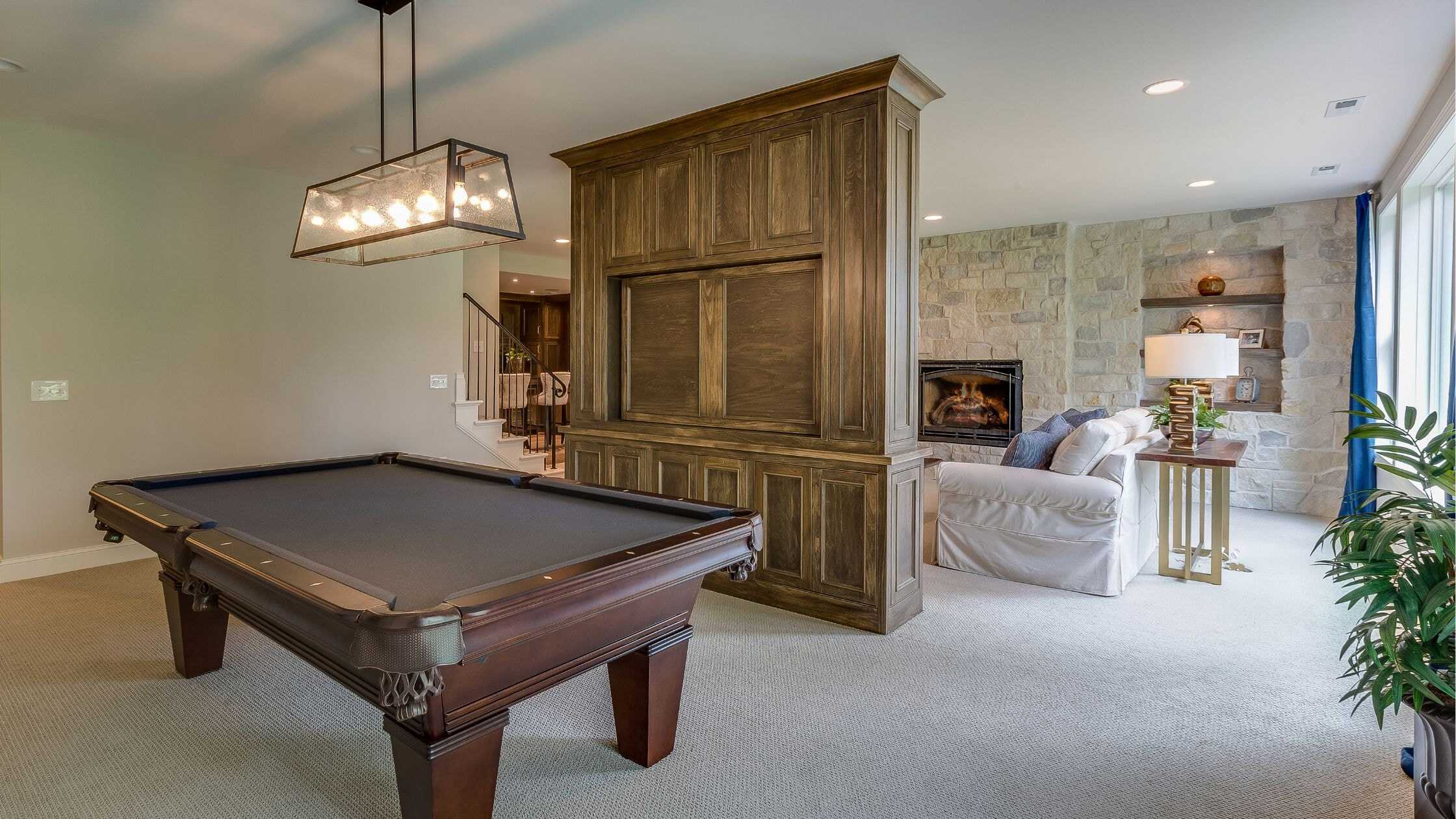
Basement finishing requires exceptional attention to lighting because below-grade spaces typically lack abundant natural light. A successful lighting strategy combines multiple sources including recessed ceiling fixtures, wall sconces, table lamps, and strategic use of any existing windows. The lighting plan for basement finishing should provide adequate illumination for the room’s intended activities while creating warmth and ambiance. Dark corners make spaces feel smaller and less inviting, so comprehensive lighting design ensures every area receives appropriate illumination. Proper lighting transforms basement finishing from merely functional to truly beautiful.
Natural light becomes precious in basement finishing environments. Maximizing existing windows through proper well installation, adding egress windows where building codes require them, or incorporating light wells can dramatically improve the space’s appeal. When natural light remains limited during basement finishing, selecting the right color temperature for light fixtures makes a significant difference. Warm white bulbs create cozy environments for entertainment areas, while cooler temperatures work better for home offices and craft spaces. The lights selected during basement finishing set the mood for how the space feels and functions.
The electrical work required for proper basement lighting must meet local codes and safety standards. Planning light fixtures locations before framing basement walls prevents complications later in the basement finishing process. A licensed electrician should handle all wiring to ensure safe installation and compliance with building codes. The electrical systems installed during basement finishing must support not only lighting but also outlets for electronics, appliances, and other devices. Adequate electrical capacity makes the finished basement truly livable.
Discover comprehensive basement lighting ideas that illuminate spaces effectively while enhancing the finished aesthetic. This resource provides detailed guidance on creating layered lighting schemes that make basement finishing projects shine.
Quick tip: Install lighting on dimmer switches during the basement finishing process to create flexibility in ambiance and energy usage. This simple addition during the electrical work phase provides control that enhances how the space functions for different activities throughout the day and evening.
From Bare to Beautiful: Best Basement Flooring Options
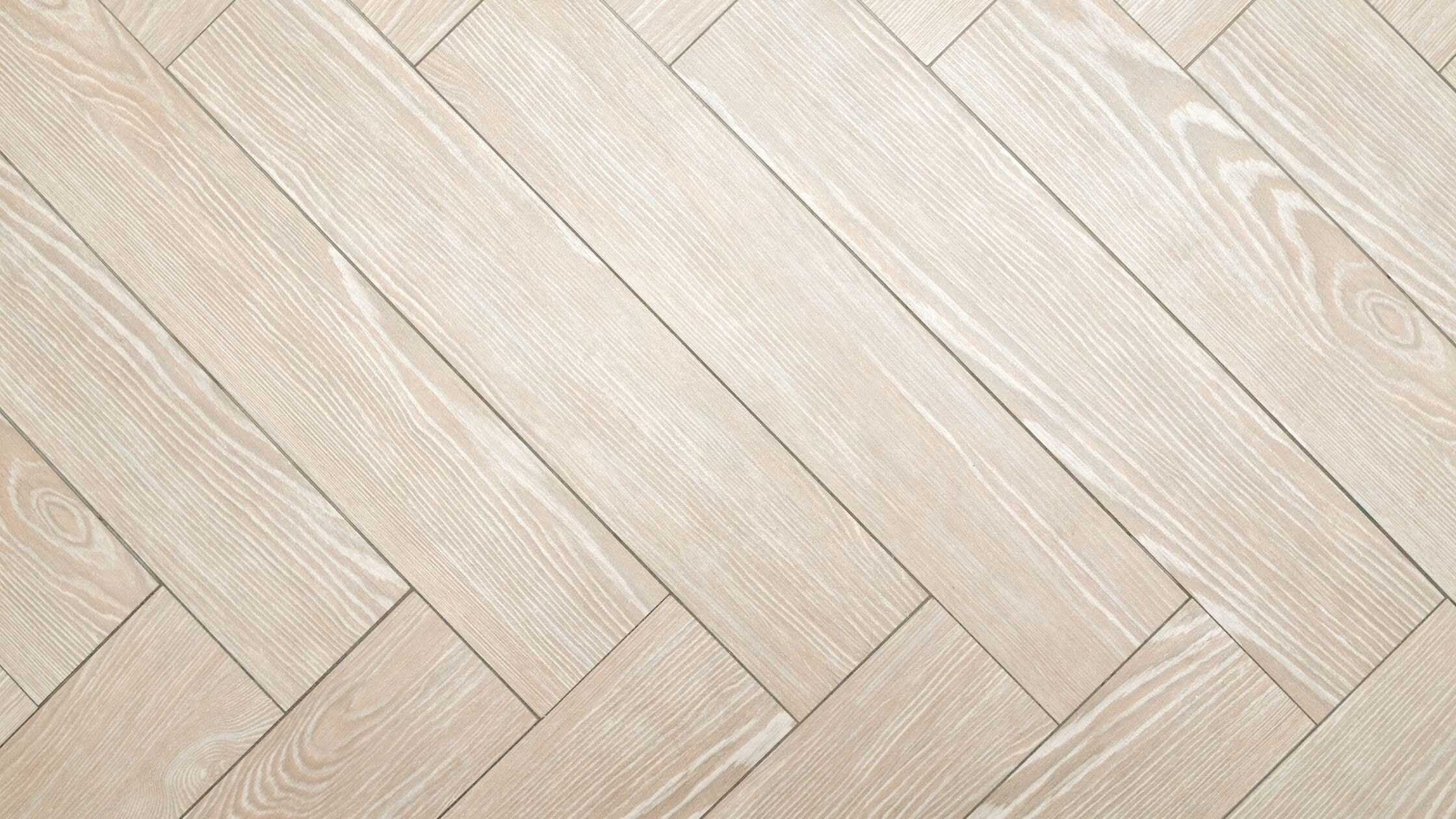
Selecting appropriate basement flooring during the basement finishing process requires balancing aesthetic preferences with practical considerations unique to below-grade environments. The concrete floor beneath finished basements remains vulnerable to moisture infiltration even with proper waterproofing. Flooring materials must withstand potential dampness while providing comfort, durability, and visual appeal. Options range from luxury vinyl plank that mimics hardwood without moisture sensitivity, to engineered wood that offers authentic appearance with better moisture resistance than solid hardwood, to ceramic tile that handles moisture beautifully but feels cold underfoot without radiant heating.
The basement finishing job includes careful preparation of the concrete floor before laying any finished flooring materials. The concrete must be level, dry, and free from cracks. Any necessary repairs to the concrete floor should cure completely before proceeding with basement finishing. The process of laying flooring represents a critical phase that affects both appearance and longevity. Professional installation ensures proper techniques that protect against moisture issues while delivering beautiful results.
Carpet remains popular for basement finishing projects despite moisture concerns because it provides warmth and softness. Selecting carpet designed specifically for basements with moisture-resistant backing and synthetic fibers helps prevent mold growth during the life of the finished basement. Proper subfloor preparation including moisture barriers protects the flooring investment regardless of material selection. Some homeowners choose different flooring materials for distinct zones within the basement finishing project, using tile in bathroom areas and luxury vinyl or carpet in living spaces. The flooring choices made during basement finishing significantly impact how comfortable and inviting the space feels.
Floor joists in unfinished portions of the basement also require attention during the basement finishing process. Insulating these joists prevents cold floors in adjacent finished areas. The joists provide structural support and must remain accessible for future maintenance needs. Understanding how floor joists affect the basement finishing project helps homeowners make informed decisions about layout and mechanical systems.
Learn about the best basement flooring options and how to select materials that balance beauty with below-grade durability. This guide explores the pros and cons of each flooring type for basement finishing projects.
Stay Warm Below Ground: Basement Insulation 101
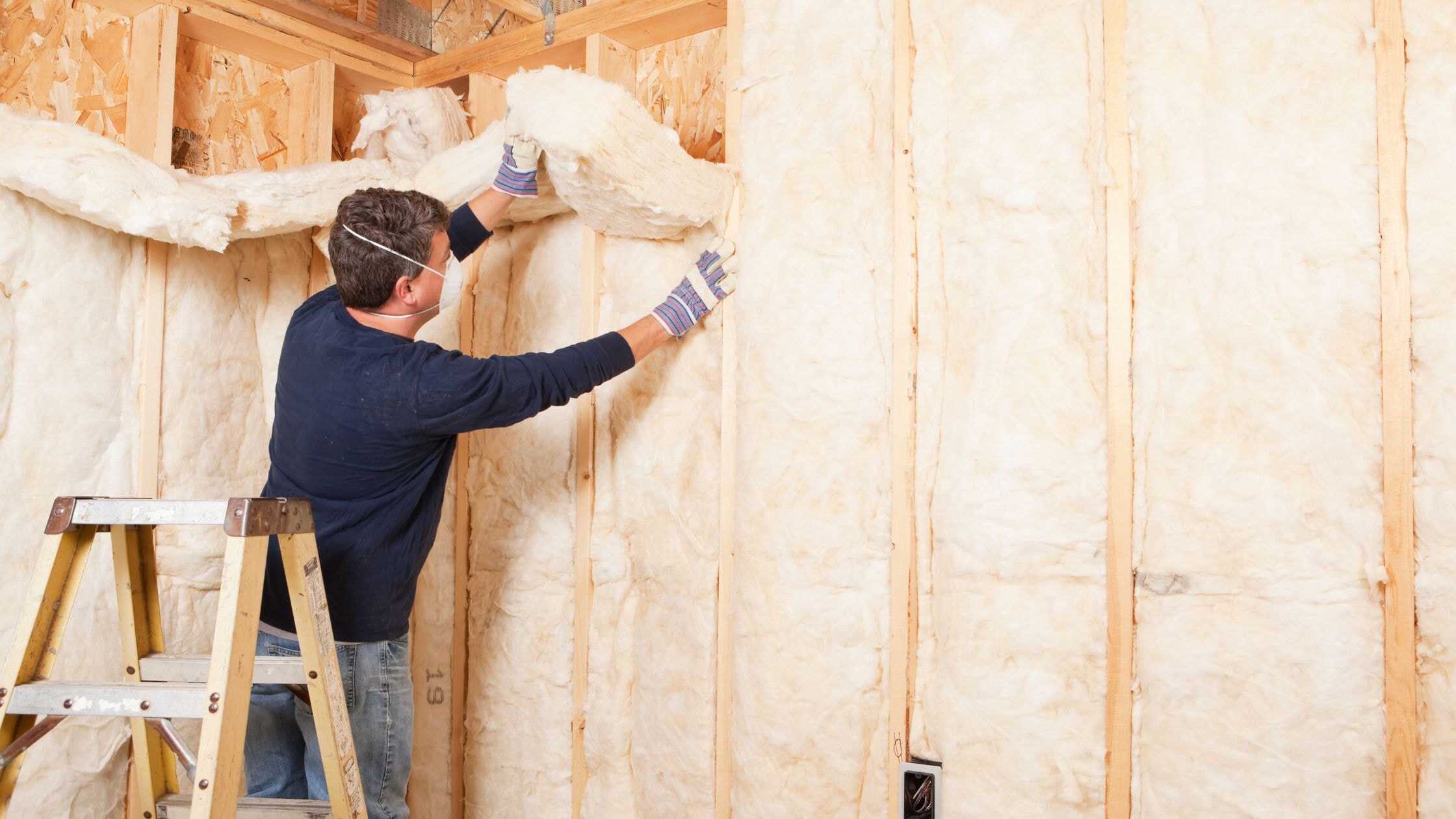
Proper insulation transforms cold, uncomfortable basement finishing projects into cozy living areas that remain comfortable year-round. Basement walls require insulation that addresses both thermal performance and moisture management during the basement finishing process. Rigid foam insulation boards applied directly to concrete walls provide excellent R-value while resisting moisture. Fiberglass batts installed between wall framing studs offer traditional insulation but require careful vapor barrier installation to prevent condensation problems. Spray foam insulation delivers superior air sealing and moisture control but comes at a higher initial cost.
The basement finishing process demands attention to vapor barrier placement to prevent moisture from becoming trapped within wall assemblies. The vapor barrier must be positioned correctly during basement finishing to protect against mold growth and maximize energy efficiency. Floor joists in unfinished portions of the basement also benefit from insulation to prevent cold floors in finished areas and reduce heat loss. Proper insulation around rim joists where the foundation meets the framing above ground eliminates a major source of air infiltration and energy waste. These details separate successful basement finishing from projects that suffer ongoing comfort and efficiency problems.
Insulation placement during basement finishing follows specific building codes designed to prevent mold growth and maximize energy efficiency. The process integrates with the overall framing and mechanical systems plan for the basement finishing project. Electrical cables, plumbing pipes, and ductwork must be positioned before insulation installation. Drilled holes through framing members must maintain structural integrity while allowing utility runs. Professional installation ensures insulation performs as intended while meeting all building codes throughout the basement finishing process.
The money saved on heating and cooling costs after basement finishing with proper insulation adds up year after year. Comfortable temperatures in the finished basement make the space more usable throughout all seasons. The insulation installed during basement finishing also reduces noise transmission between levels, creating quieter living environments. These benefits make insulation a critical component of successful basement finishing.
Understand basement insulation fundamentals that keep finished spaces comfortable while controlling energy costs and preventing moisture problems. This detailed guide covers insulation types, installation techniques, and best practices for basement finishing projects.
Did you know? Properly insulating basement walls during the basement finishing process can reduce heating and cooling costs by up to 30 percent while making the entire home more comfortable, not just the basement itself. The job of insulating saves money over the life of the home.
Raise the Bar: Smart and Stylish Basement Ceiling Ideas
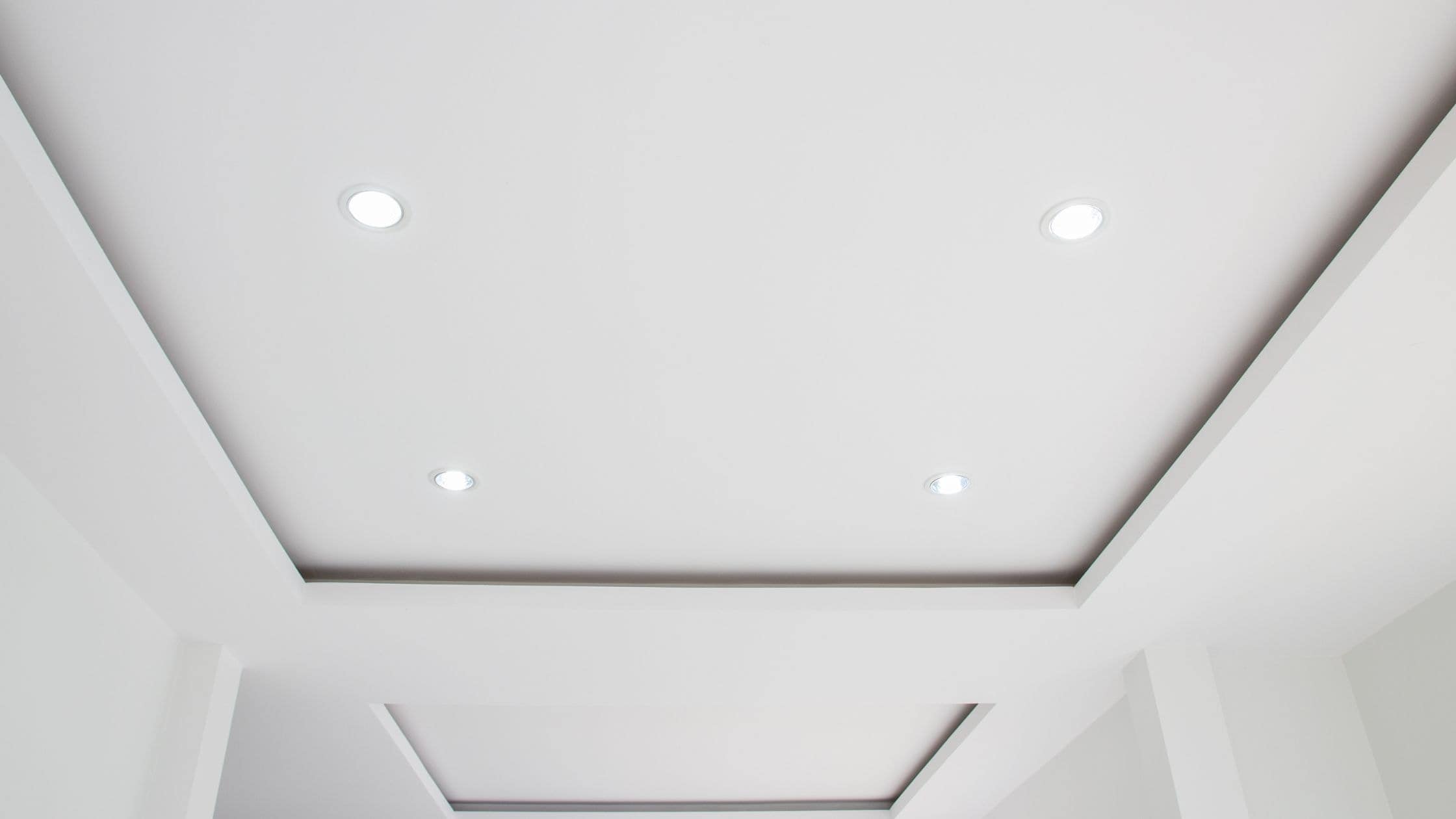
Basement finishing requires creative ceiling treatments that balance aesthetic appeal with access to mechanical systems, ductwork, plumbing pipes, and electrical cables that run through the space above finished areas. Drywall ceilings provide a polished, seamless appearance that maximizes ceiling height but complicate access to utilities. Drop ceilings using suspended grid systems allow easy access to mechanical systems while accommodating irregular ceiling heights and hiding unsightly elements. Exposed ceilings that paint joists, ductwork, and pipes a uniform color create industrial-chic aesthetics while maintaining full ceiling height and perfect utility access.
The ceiling height available dictates which treatments work best during basement finishing. Building codes typically require minimum ceiling heights for habitable spaces, and homeowners must verify compliance before finishing. The basement finishing process must account for these requirements early in planning. Creative solutions like coffered designs, beam treatments, or strategic soffits can add visual interest while working within height limitations. Lighting integration becomes crucial as ceiling treatments determine where and how light fixtures can be installed during basement finishing. Recessed lighting requires adequate depth above the finished ceiling, while surface-mounted fixtures work with any ceiling type.
Material selection for basement finishing ceilings affects both appearance and functionality. Drywall requires skilled installation, taping, mudding, and painting to achieve professional results. The process of hanging and finishing drywall represents a significant portion of the basement finishing job. Acoustic ceiling tiles reduce noise transmission between levels while offering various textures and patterns. Wood planks or decorative panels create unique looks but must be properly attached to framing or joists during the basement finishing process. The ceiling treatment selected impacts the overall character of the finished space.
Doors connecting to basement stairs and rooms must swing in directions that don’t interfere with ceiling elements or furniture placement. Planning door locations during the basement finishing design phase prevents problems. The ceiling height affects door sizes and types that can be installed. Standard doors require adequate ceiling height plus framing, while creative solutions may include barn doors or pocket doors in tight spaces. Every detail matters in successful basement finishing.
Explore innovative basement ceiling ideas that maximize both style and practicality in below-grade spaces. This article provides inspiration and practical guidance for the ceiling portion of basement finishing projects.
Stop Leaks Before They Start: Basement Waterproofing Essentials

Waterproofing stands as the most critical step in basement finishing because moisture issues destroy finished spaces and create health hazards through mold growth. Proper waterproofing begins during construction but can be added or improved during basement renovation projects. External waterproofing applied to foundation walls from the outside provides the best protection but requires excavation. Internal waterproofing systems including vapor barriers, drainage systems, and sump pumps offer effective protection when external work proves impractical during basement finishing.
The basement finishing process must address all moisture issues before walls, flooring, and ceilings get installed. Identifying and addressing moisture problems before basement finishing prevents catastrophic failures. Visual inspection reveals cracks in concrete walls and floors that allow water infiltration. The tape measure and plumb bob help assess whether walls lean or floors slope, indicating structural issues that need correction before basement finishing proceeds. Fresh air circulation and proper grading outside the house reduce moisture problems that could compromise the basement finishing investment.
The waterproofing system must work with the finished basement design. Vapor barriers integrate with insulation and framing during the basement finishing process. Drainage systems may require routing pipes beneath the concrete floor to sump pump locations. Building codes specify requirements for waterproofing in habitable spaces created through basement finishing. Professional assessment identifies the right waterproofing approach for each basement’s unique conditions. The money spent on proper waterproofing during basement finishing protects the entire investment and ensures the space remains dry and healthy.
Gutters and downspouts must direct water away from the foundation to minimize hydrostatic pressure against basement walls. This exterior work supports the interior basement finishing by preventing water from reaching the foundation. The comprehensive approach to moisture control separates successful basement finishing from projects that develop problems. Every aspect of waterproofing requires attention to detail and proper installation.
Discover essential basement waterproofing strategies that protect finished spaces from moisture damage. This guide provides the knowledge needed to ensure basement finishing projects stay dry for the life of the home.
Quick tip: Test for moisture problems by taping plastic sheets to basement walls for 24 hours before beginning basement finishing. Condensation on the plastic’s room-facing side indicates humidity problems, while moisture behind the plastic signals water penetration through the foundation that must be addressed before basement finishing proceeds.
DIY Basement Finishing: A Step-by-Step Game Plan for Homeowners

Homeowners with construction experience can tackle basement finishing as a DIY project, though success requires careful planning and realistic assessment of skills. The basement finishing process begins with obtaining necessary permits and creating detailed plans that meet building codes. Understanding local codes regarding egress windows, ceiling height requirements, electrical work, and plumbing installations prevents costly mistakes during basement finishing. The project sequence typically follows: addressing moisture issues, planning layout, installing framing, running mechanical systems, adding insulation, hanging drywall, completing finish work, and scheduling the final inspection.
Each phase of basement finishing demands specific knowledge and skills. Framing requires precision with the tape measure, proper installation of top and bottom plates, and understanding how to work around obstacles like posts, stairs, and mechanical systems. Stand-alone walls must be plumb, checked with a plumb bob, and securely attached to floor and ceiling during basement finishing. Drywall installation involves measuring, cutting, hanging sheets, taping joints, applying mud, sanding, and painting. The physical demands of handling materials like drywall sheets and lumber require help from others. The job of basement finishing tests both skill and endurance.
The basement finishing process includes many opportunities to customize the space. Homeowners can create built-in cabinets for storage, add shelving systems, install specialized lighting, or incorporate unique architectural details. The flexibility of DIY basement finishing allows for creative solutions that reflect personal style. However, some tasks demand professional expertise. Licensed electricians should handle complex electrical work to ensure safety and code compliance during basement finishing. Plumbing installations for bathroom additions need proper venting and connections. Contractors bring efficiency and expertise that save time and prevent errors during basement finishing.
Many homeowners choose a hybrid approach to basement finishing, completing some work themselves while hiring professionals for specialized tasks. This strategy saves money while ensuring critical elements meet code requirements. The process of laying flooring, painting walls, and installing doors represents work that capable DIYers can handle. More complex systems require professional expertise. Understanding personal limitations helps homeowners plan basement finishing projects that succeed.
Follow a detailed DIY basement finishing guide that breaks down the process into manageable steps for capable homeowners. This comprehensive resource provides the roadmap for successful basement finishing from start to finish.
Transform Your Basement with Expert Help

Basement finishing transforms underutilized space into functional living areas that enhance how families use their homes. The process requires coordination of multiple elements including moisture control, framing, insulation, electrical systems, plumbing, drywall, flooring, lighting, and paint. Each component affects the project’s success and the finished space’s long-term durability. While DIY approaches work for experienced homeowners, professional basement renovation delivers expertise that prevents costly mistakes and accelerates completion. The job of basement finishing becomes manageable with the right team.
Home Style Improvement brings years of specialized experience to basement finishing projects throughout Frederick, Maryland. The company handles every aspect of the basement renovation process from initial planning through final inspection, ensuring projects meet building codes while exceeding homeowner expectations. Professional installation of materials and mechanical systems protects the investment and creates finished basements that remain beautiful and functional for decades. The life of a properly completed basement finishing project extends many years, providing ongoing value and enjoyment.
The basement finishing experts at Home Style Improvement understand how to maximize space, solve moisture challenges, create stunning designs, and deliver quality craftsmanship. The team guides homeowners through every decision during the basement finishing process, from selecting flooring and paint colors to planning lighting and furniture layouts. Professional basement finishing ensures all details receive proper attention while staying on schedule and budget. The money invested in professional basement finishing delivers peace of mind along with beautiful results.
Ready to transform that unused basement into valuable living space through professional basement finishing? Visit the basement finishing services page to learn how Home Style Improvement can turn basement renovation dreams into reality. The team stands ready to discuss basement finishing ideas, provide professional guidance, and deliver the high-quality craftsmanship that creates finished basements homeowners love. Don’t let valuable square footage sit empty when basement finishing could transform it into the family’s favorite room in the house. Contact Home Style Improvement today to begin the basement finishing journey.