

Selecting the right flooring for a basement requires balancing practical considerations with design preferences to create a space that looks beautiful and functions properly. Basement flooring options range from waterproof vinyl planks and ceramic tiles to engineered hardwood and carpet tiles, each offering unique benefits for below-grade environments. The challenge lies in choosing materials that can withstand moisture while providing the comfort and aesthetic appeal that makes a finished basement feel like a natural extension of the home.
Understanding which basement flooring materials work best in humid, moisture-prone environments helps homeowners avoid costly mistakes. The basement floor presents unique challenges including potential moisture seeping through concrete and the need for waterproofing that protects the investment. With the right approach to material selection and proper subfloor preparation, basements can feature stunning floors that rival any room in the house.
Understanding Basement Flooring Materials
What Makes Basement Flooring Different
Basement flooring requires special consideration because below-grade spaces face moisture challenges that don’t affect the rest of the house. Concrete slabs in contact with the ground can allow water vapor to migrate upward, creating conditions that damage flooring materials not designed to handle dampness. The best basement flooring options share common characteristics including moisture resistant or waterproof properties, excellent durability for heavy foot traffic, and comfort underfoot since concrete subfloors naturally feel cold.
Quick tip: Always test for moisture before installing any basement flooring by taping plastic sheets to the concrete for 24 hours. If condensation forms under the plastic, moisture issues need to be addressed before proceeding.
Waterproof Basement Flooring Options
Luxury Vinyl Plank and Tile
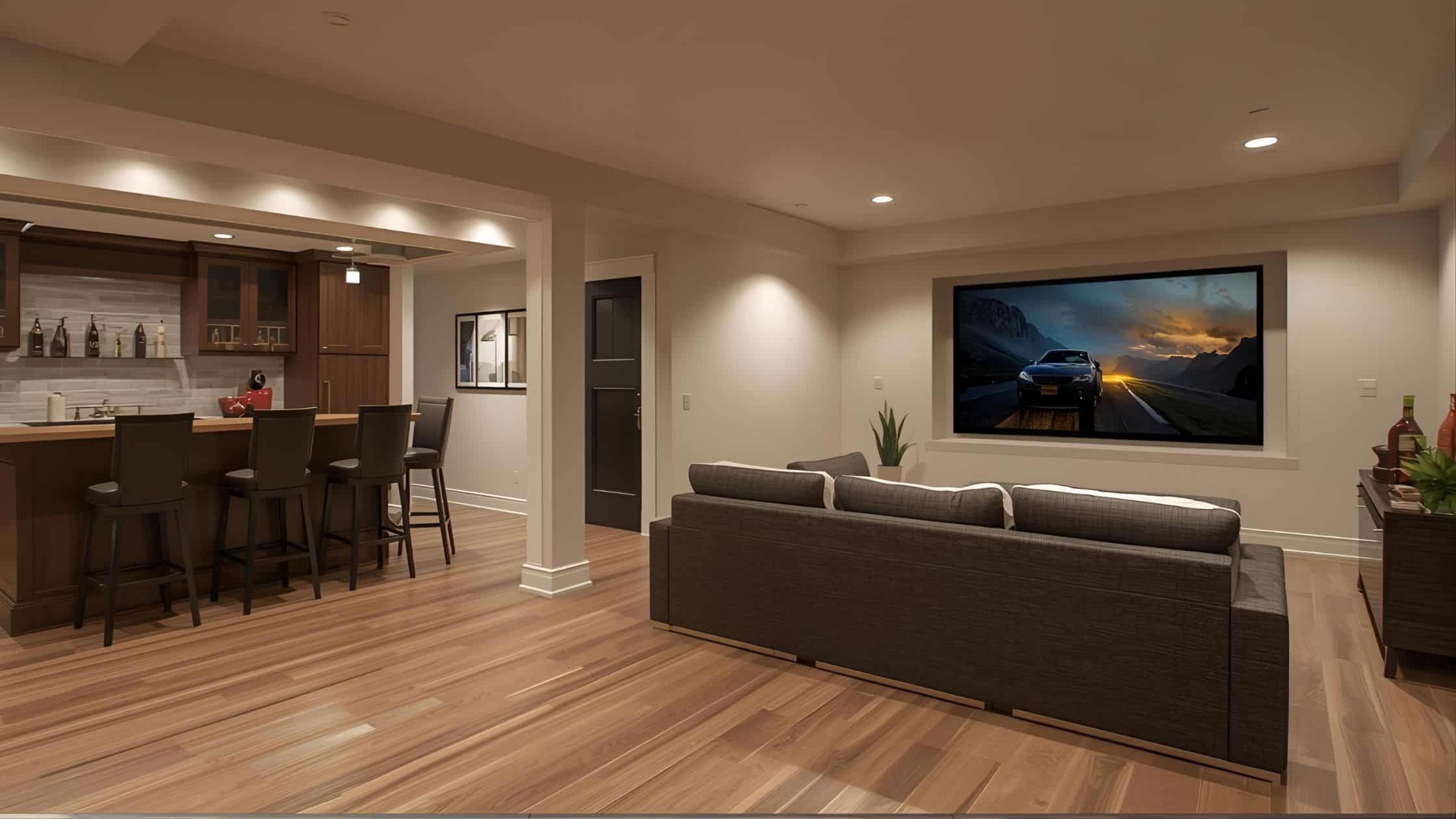
Luxury vinyl plank has emerged as one of the most popular basement flooring options because it combines waterproof properties with attractive designs that mimic natural materials. Modern vinyl products can replicate the appearance of hardwood or stone so convincingly that most people can’t tell the difference, and the planks install over concrete with minimal subfloor preparation. The waterproof nature makes it ideal for basements where moisture control remains an ongoing concern, and many products now include a built in vapor barrier on the backing for extra protection against moisture seeping through the concrete slab.
Vinyl flooring also provides excellent durability that stands up to active family rooms and play spaces while remaining comfortable underfoot. The wear layer resists scratches and stains better than many natural materials, making maintenance as simple as regular sweeping and occasional mopping. This combination of water resistance, durability, and ease of care explains why luxury vinyl has become such a popular choice for finished basements.
Ceramic or Porcelain Tiles
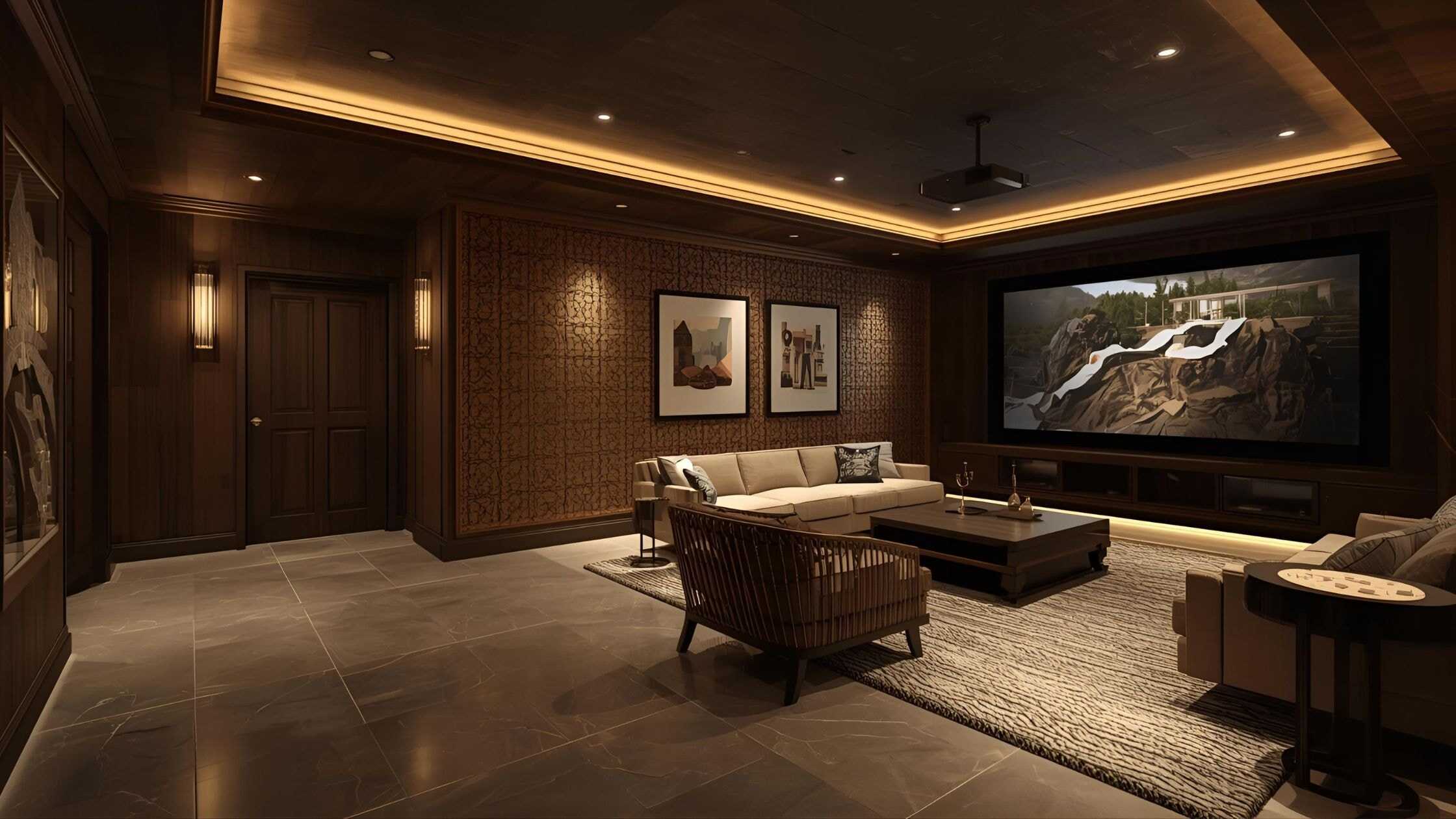
Ceramic or porcelain tiles represent the gold standard for waterproof basement flooring because they’re completely impervious to moisture and can handle even the wettest conditions without damage. Porcelain tiles specifically offer superior water resistance compared to standard ceramic, making them ideal for basements where humidity runs high. The durability means they can last for decades, and modern designs now include realistic faux wood grain patterns that deliver the warmth of hardwood while maintaining waterproof properties.
One consideration involves the cold, hard surface that some find uncomfortable, particularly in spaces where children play. Installing radiant heating beneath tile floors solves this issue by providing consistent warmth that makes the basement cozy year-round, and the thermal mass of tile works beautifully with radiant systems.
Did you know? Larger format tiles reduce the number of grout lines in a basement floor, which means less maintenance and fewer places for moisture to potentially penetrate over time. This makes 12×24 inch or larger tiles an excellent choice for basement installations.
Basement Flooring That Adds Warmth
Carpet Tiles for Comfort and Flexibility
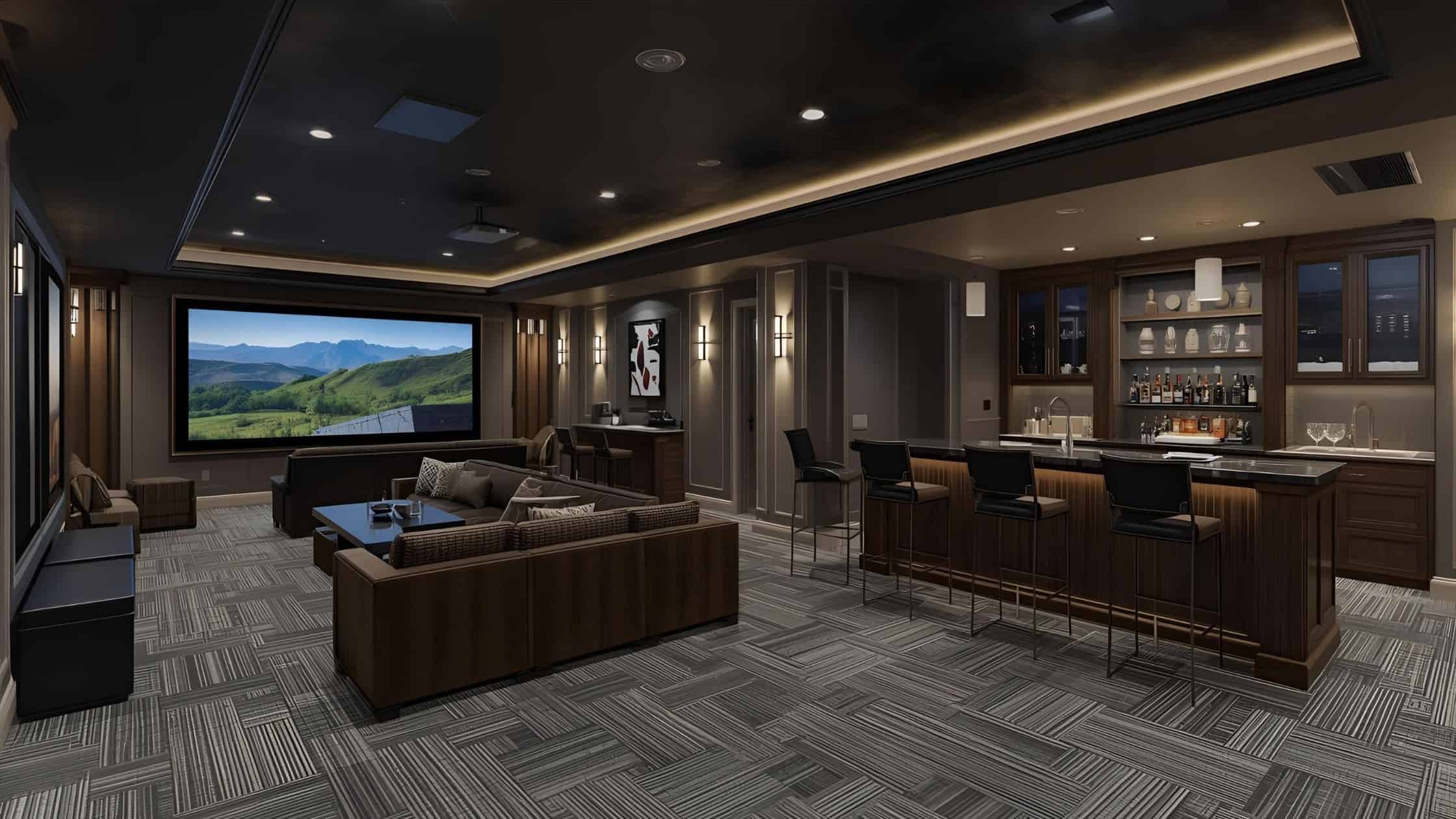
Carpet tiles offer a unique solution that combines the warmth and comfort of carpet with the practical benefits of modular installation. Unlike wall-to-wall carpet, carpet tiles can be installed by homeowners and easily replaced individually if staining or damage occurs. Modern carpet tiles designed for basements include moisture resistant backing that prevents water from wicking up from the concrete, and some feature built-in cushioning that reduces noise transmission between levels.
The insulating properties help make basement spaces feel warmer compared to hard flooring materials, which matters particularly where concrete subfloors naturally feel cold. The soft surface also creates a safer environment for children’s playrooms or home gyms where cushioning protects against injuries.
Engineered Hardwood for Natural Beauty
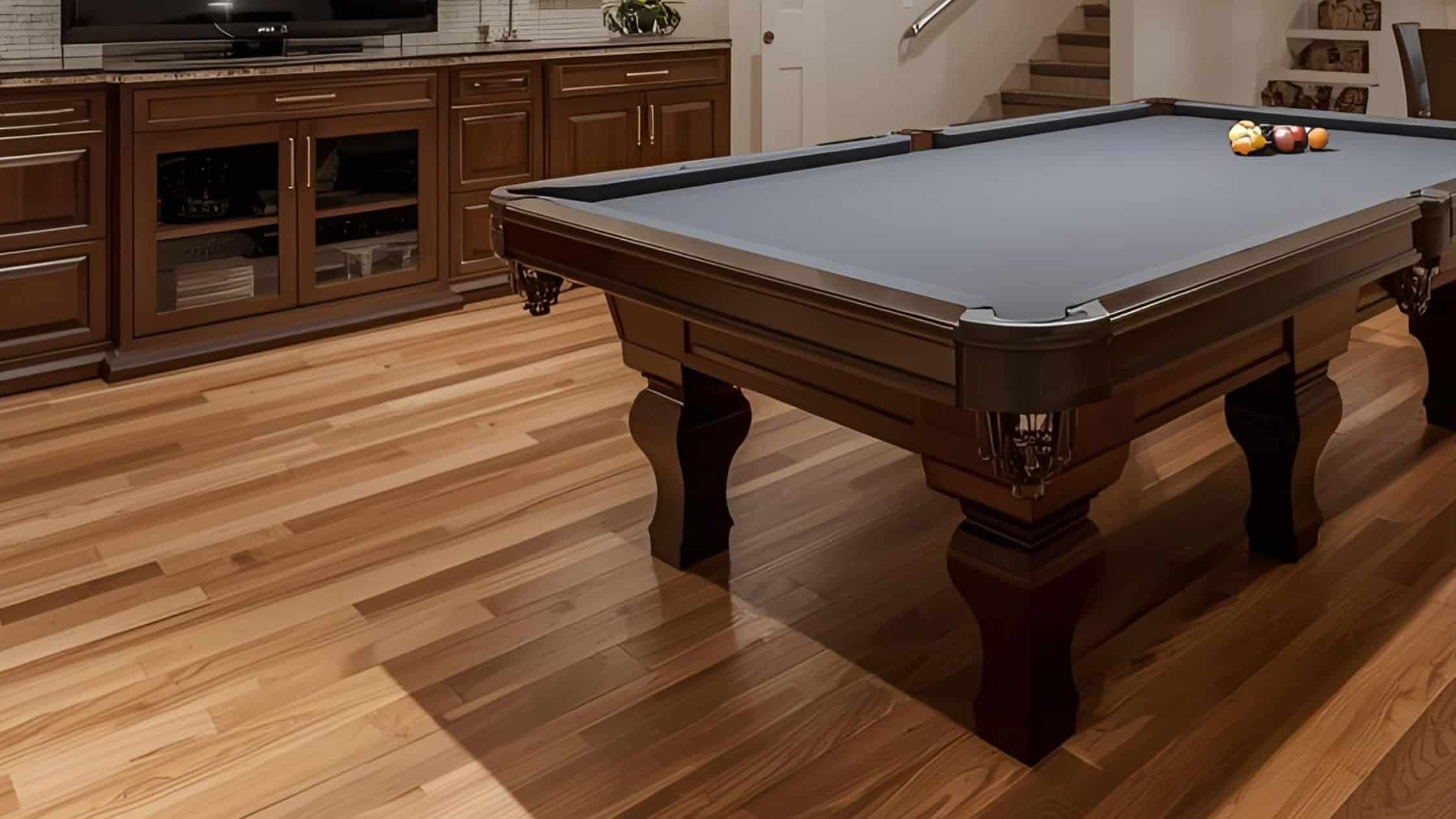
Engineered hardwood provides an alternative for homeowners who want authentic wood flooring but need better moisture resistance than traditional hardwood offers. The construction, with real wood veneer over a stable core, makes it less prone to warping from humidity changes. While not truly waterproof like vinyl or tile, engineered hardwood can tolerate moderate humidity levels in well-maintained finished basements when installed with a proper vapor barrier.
The aesthetic appeal of real wood brings unmatched warmth and character to basement family rooms or guest bedrooms, creating sophisticated spaces that feel like they belong in the main house rather than relegated to the basement.
Quick tip: When installing engineered hardwood in a basement, choose products with a thick wear layer that can be refinished if needed. This extends the life of the floor and allows for future updates.
Specialty Basement Flooring Materials
Rubber Flooring for Active Spaces
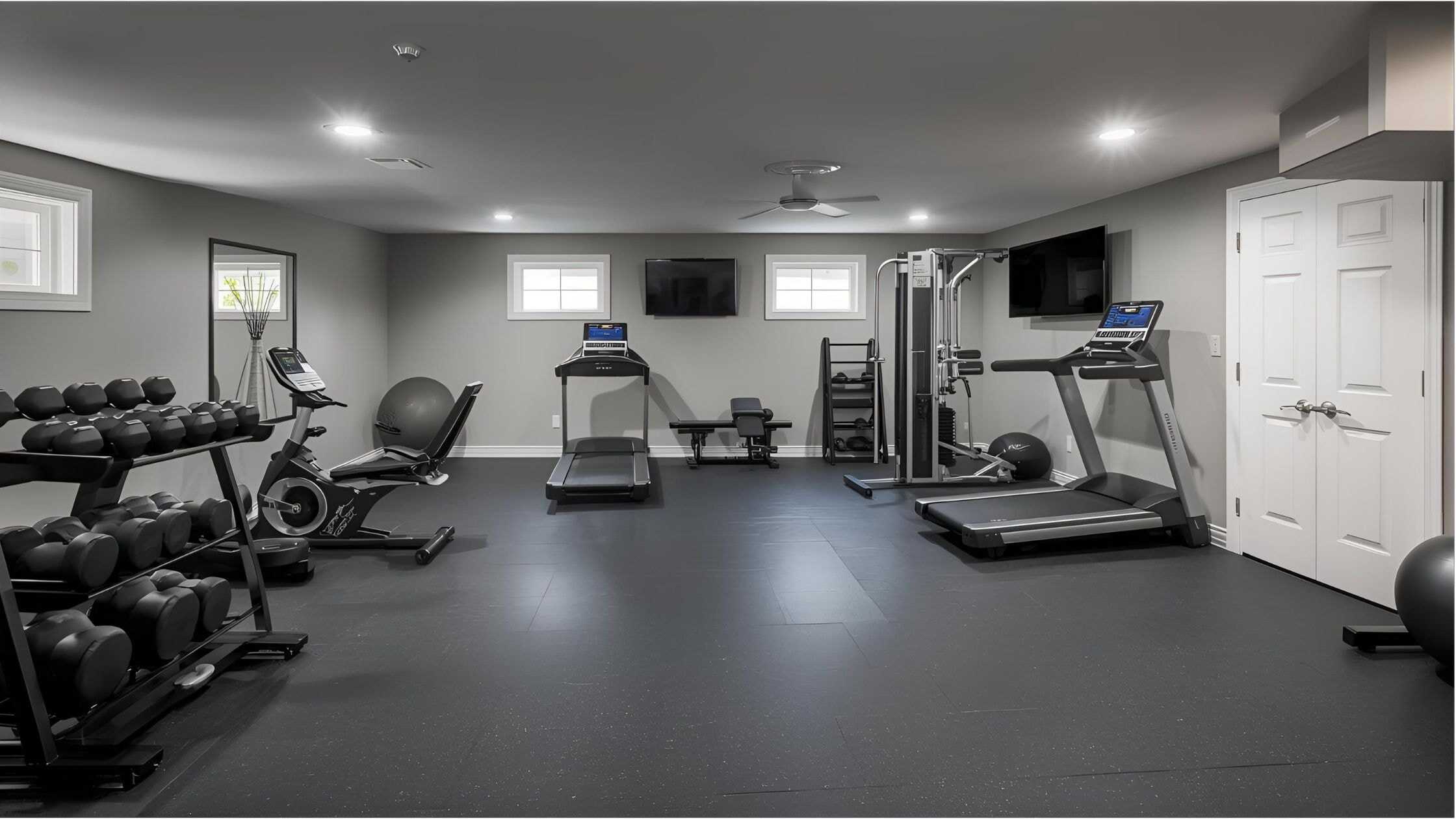
Rubber flooring has become increasingly popular for basement home gyms, playrooms, and workshops because it provides unmatched durability and cushioning. The material handles dropped weights, rolling equipment, and heavy foot traffic without showing wear, and it naturally resists moisture without supporting mold growth even in humid basement conditions.
Installation varies by product type, with interlocking tiles that snap together without adhesives or roll rubber that requires adhesive installation. Beyond home gyms, rubber flooring works well where moisture resistant properties and easy maintenance rank as priorities, cleaning easily with soap and water without staining.
Epoxy Coatings for Modern Style
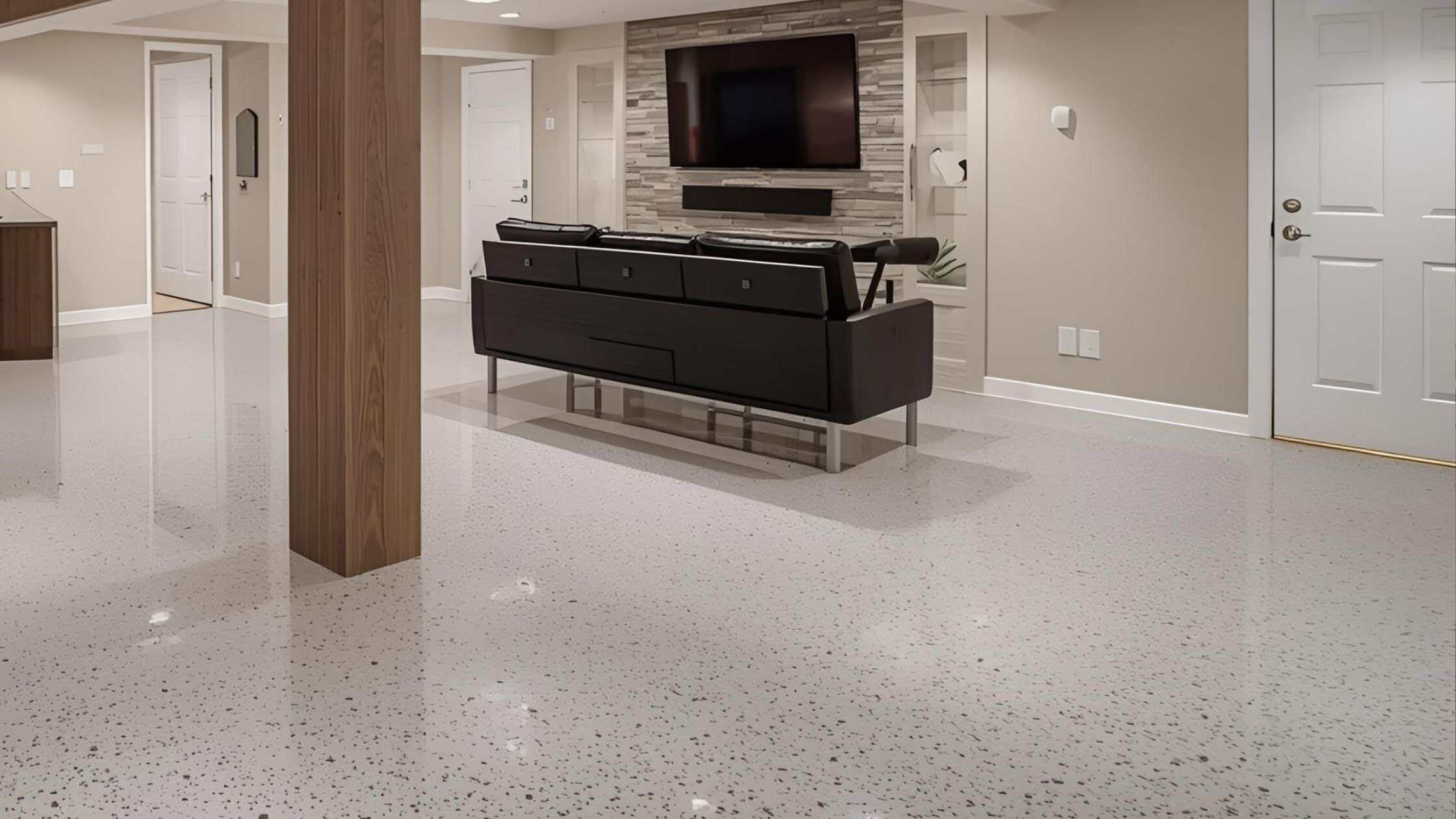
Epoxy coatings transform bare concrete into sleek, modern basement floors that work well in contemporary spaces or areas prioritizing function. The coating bonds directly to concrete, creating a seamless, highly durable surface that resists moisture, stains, and wear better than almost any other option. Modern epoxy systems come in numerous colors, can include decorative flakes, and offer different sheen levels. While epoxy coatings feel harder and colder than cushioned materials, they deliver unbeatable durability and moisture resistance at a reasonable cost.
For comprehensive guidance on creating the perfect finished basement environment, explore the ultimate guide to basement finishing which covers flooring as one component of the complete transformation.
Once the flooring is in place, the right lighting can make the entire space feel warmer and more inviting. Check out Bright Ideas: How to Light Up Your Basement the Right Way for tips on creating a well-lit basement.
Preparing for Basement Floor Installation
Subfloor Considerations and Moisture Protection
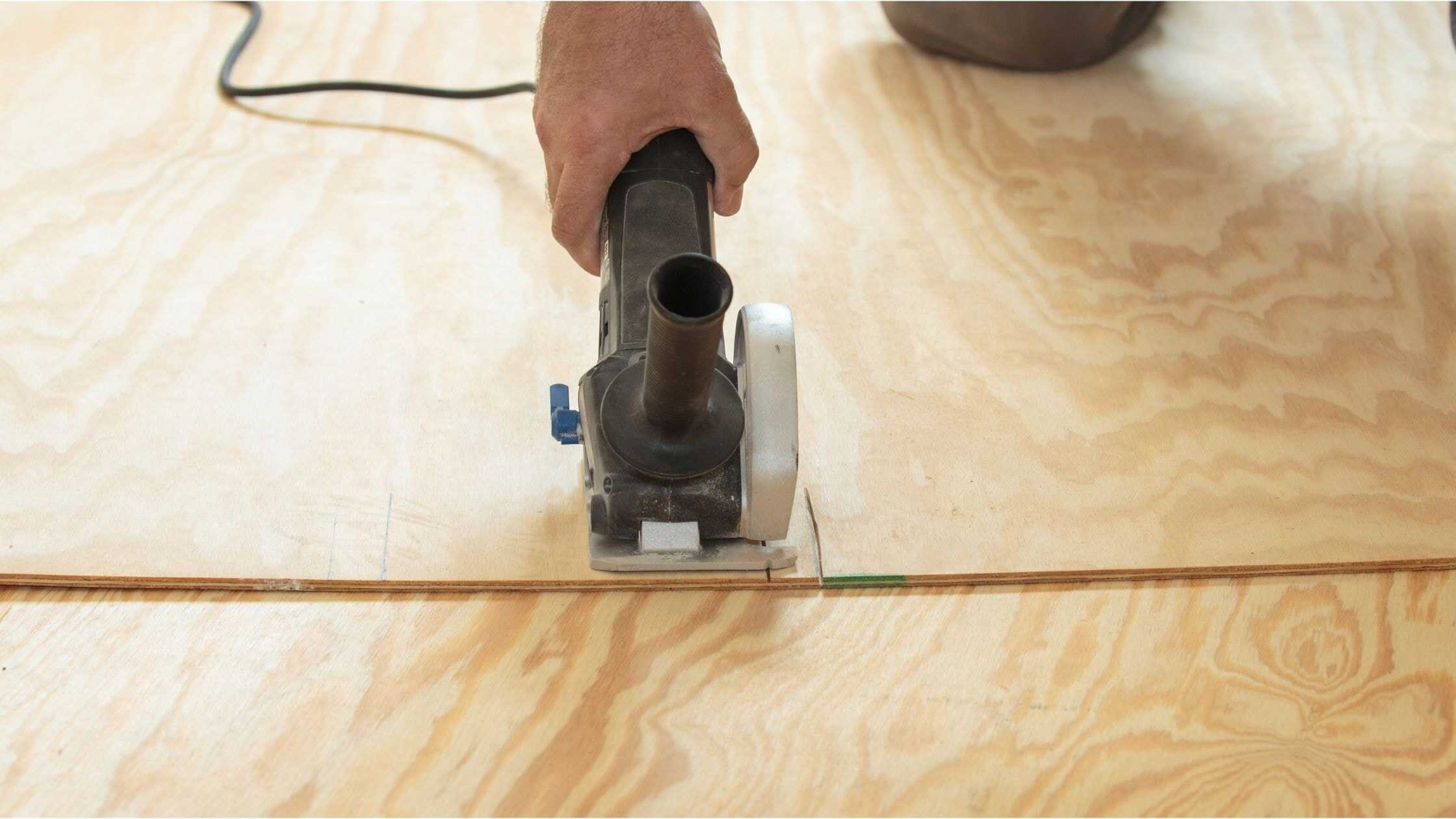
Proper subfloor preparation determines whether basement flooring performs well or develops problems after installation. The concrete slab must be level, clean, and free from cracks before any flooring goes down, with minor cracks filled and high spots ground down. A vapor barrier becomes essential for most installations to protect against moisture rising through the concrete, with some flooring products including built-in moisture protection while others require separate underlayment.
Subfloor insulation provides additional comfort by adding thermal resistance between cold concrete and the living space, helping reduce the cold feeling that makes many basements uncomfortable. According to The Spruce, proper moisture testing before installing basement flooring prevents 90 percent of flooring failures in below-grade spaces.
Matching Flooring to Room Function
Different areas within a finished basement may benefit from different flooring materials based on use. Family rooms work well with carpet tiles or luxury vinyl plank that create cozy atmospheres, while home gyms demand rubber flooring. Basement bathrooms require truly waterproof options like ceramic or porcelain tiles. Guest bedrooms benefit from materials that create quiet, comfortable environments, with the key being to match flooring to intended use while ensuring proper moisture resistance.
For inspiration on creating beautiful basement spaces, review finished basement ideas showcasing how different flooring choices contribute to stunning transformations.
Frequently Asked Questions
What are the best basement flooring options for moisture-prone areas?
The best basement flooring options for moisture concerns include luxury vinyl plank, ceramic or porcelain tiles, and rubber flooring, all offering excellent water resistance. These waterproof basement flooring materials handle high humidity without warping or developing mold growth.
Can you install carpet in a basement?
Carpet tiles work well in basements when proper moisture control measures are in place. Choose carpet tiles designed for basement applications with moisture resistant backing. Unlike traditional carpet, carpet tiles can be removed individually if moisture problems occur.
Is engineered hardwood suitable for basement flooring?
Engineered hardwood works in finished basements that maintain consistent humidity and have proper moisture protection. While not as moisture resistant as vinyl or tile, engineered hardwood resists warping better than traditional hardwood. A vapor barrier is essential when installing over concrete.
How do you prepare a concrete basement floor?
Preparing a concrete basement floor requires cleaning thoroughly, filling cracks, and ensuring the slab is level. Test for moisture first, then install a vapor barrier to protect flooring materials. Adding subfloor insulation creates a warmer surface.
What basement flooring feels warmest underfoot?
Carpet tiles provide the warmest feeling because they offer natural insulation. Luxury vinyl plank with underlayment also feels warmer than tile. Installing radiant heating beneath any flooring material creates consistent warmth.
How does rubber flooring perform in basements?
Rubber flooring performs exceptionally well because it naturally resists moisture and won’t support mold growth. The material works particularly well for basement home gyms, playrooms, and workshops where durability matters most.
Creating Your Perfect Basement Floor
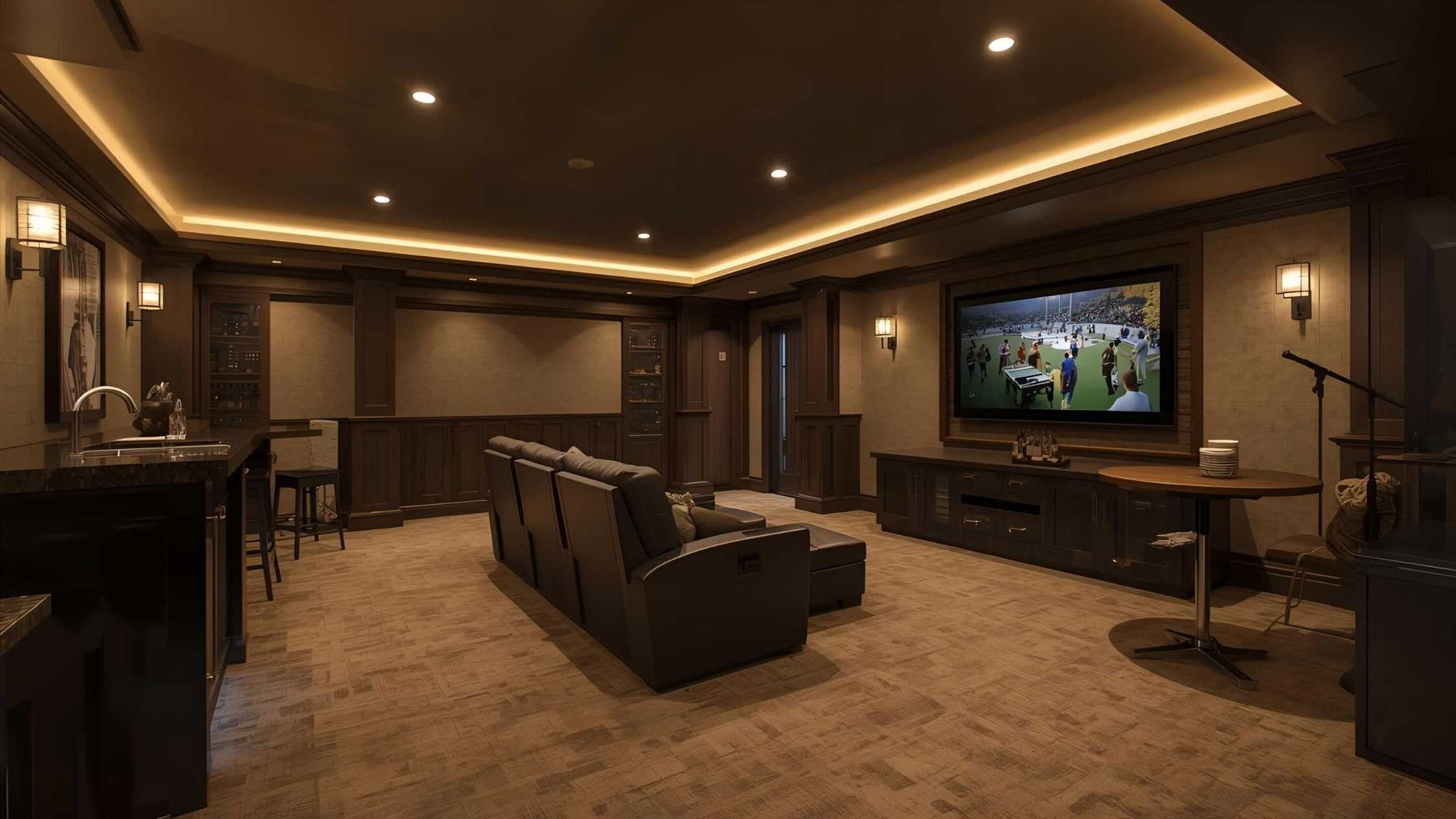
Choosing the right basement flooring materials transforms cold concrete slabs into beautiful, functional spaces. The best basement flooring balances moisture resistance with aesthetic appeal, durability with comfort, and practical considerations with design preferences. Whether selecting waterproof basement flooring like luxury vinyl and tile or opting for the warmth of carpet tiles and engineered hardwood, understanding below-grade installation requirements ensures success.
Home Style Improvement specializes in basement finishing projects that include professional flooring installation designed for basement environments. The team understands proper subfloor preparation, vapor barrier installation, and selecting flooring materials that perform well in below-grade conditions for years to come.
Ready to transform that bare concrete into beautiful basement flooring? Contact Home Style Improvement to discuss basement flooring options and begin planning the finished basement renovation. For additional information on keeping basements comfortable, explore basement insulation options that work with quality flooring to create inviting spaces.