
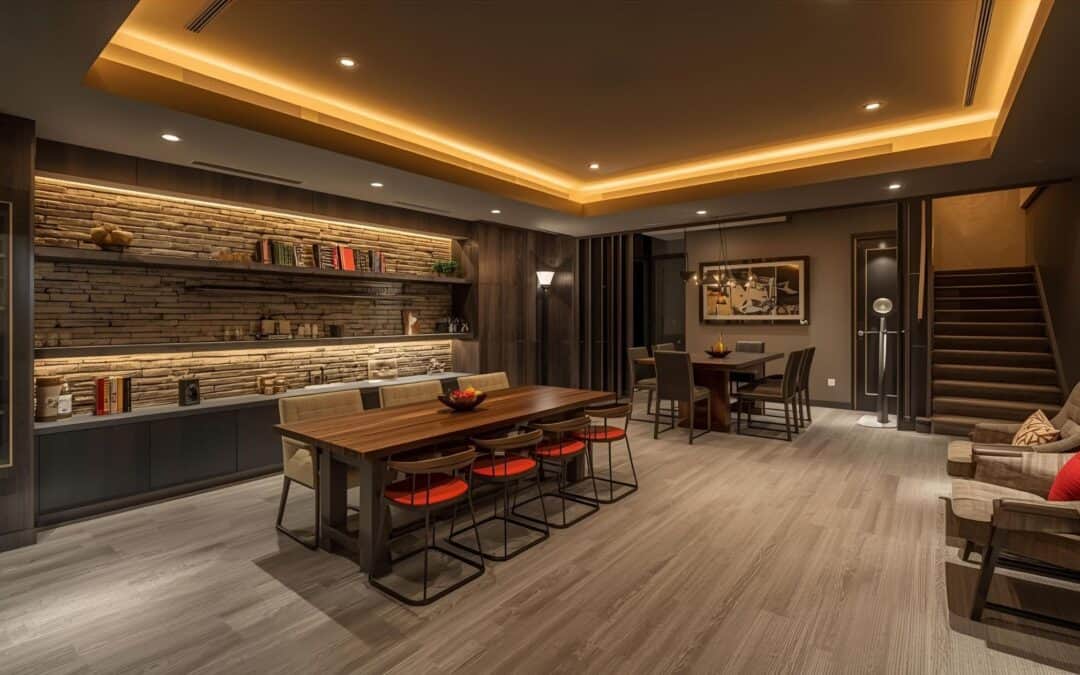
Transforming a dark basement into a bright, functional space requires strategic planning and the right combination of lighting solutions. Basement lighting ideas encompass everything from recessed ceiling fixtures to creative accent lights that highlight architectural features. The biggest challenge lies in compensating for limited natural light while creating a warm, welcoming environment that feels comfortable and inviting.
Most basements suffer from inadequate illumination due to small windows or complete lack of daylight, which makes them feel cold and unwelcoming. The right basement lighting strategy can transform these dark spaces into comfortable living areas that rival any room on the main floor. By understanding the different types of lighting and how they work together, homeowners can create spaces that feel as bright and inviting as anywhere else in the house.
Understanding Basement Lighting Fundamentals
The Three Layers of Basement Lighting
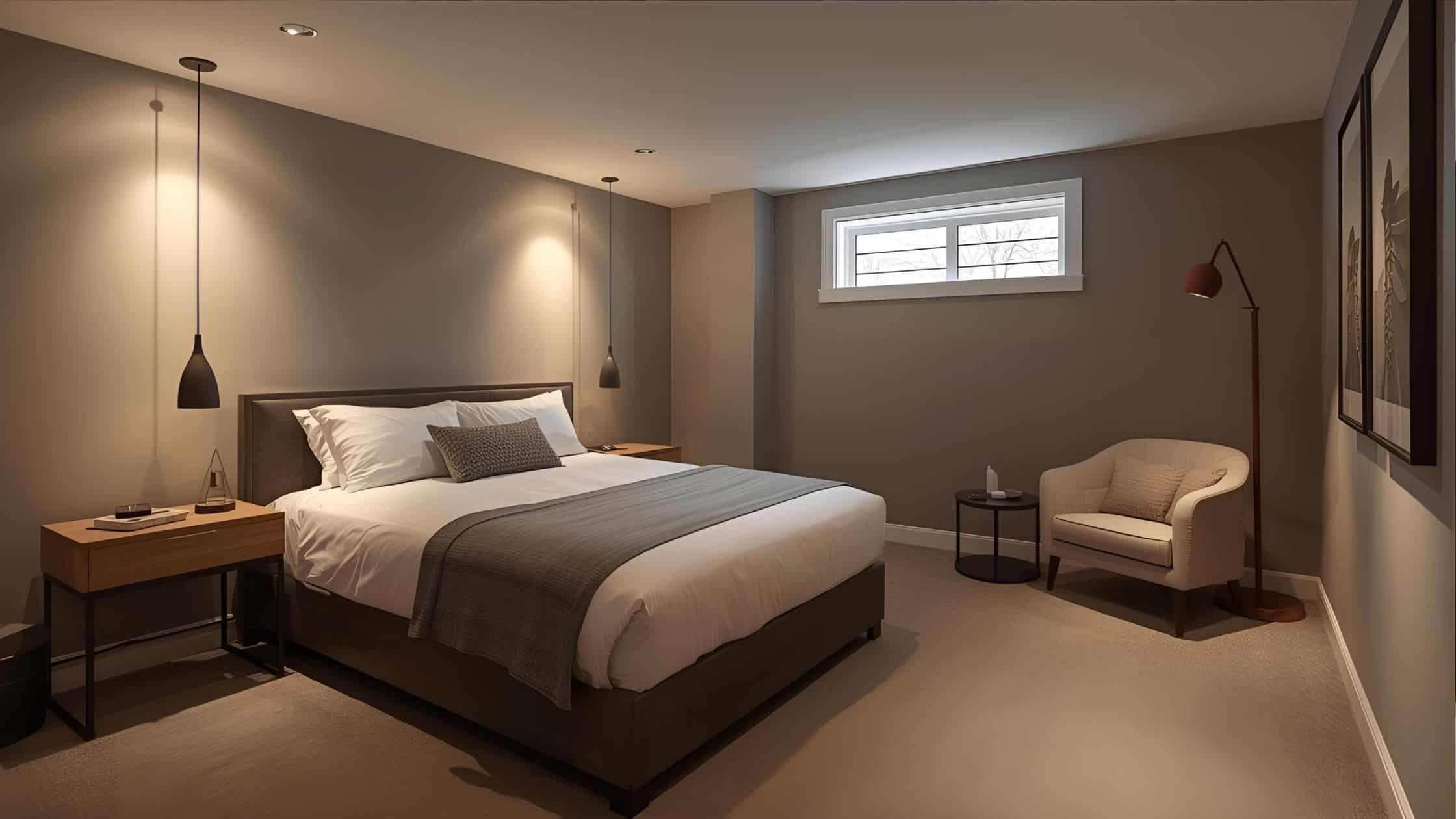
Effective basement lighting combines three distinct types that work together to create a complete lighting scheme. Ambient lighting provides the overall brightness that fills the entire space, while task lighting focuses on specific areas where activities occur. Accent lighting then adds visual interest and highlights architectural details that deserve attention. When these several types work together, they create the depth and functionality that makes a basement feel finished and professional.
The basement space presents unique challenges that require thoughtful solutions to overcome. Low ceilings limit the types of fixtures that will work, while concrete walls tend to absorb rather than reflect light back into the room. Because of these challenges, a comprehensive lighting plan addresses these issues through strategic fixture placement that eliminates dark corners and creates balanced illumination throughout the space.
Quick tip: Use bulbs with higher lumens in basements to compensate for light absorption by concrete and darker surfaces. This simple change makes a significant difference in overall brightness without requiring additional fixtures.
Natural Light Solutions for Basements
Natural light transforms basement environments more effectively than any artificial source can achieve. Daylight basement designs incorporate larger windows that flood spaces with sunshine, creating an atmosphere that feels open and connected to the outdoors. Even basements without full daylight access can benefit significantly from maximizing whatever existing windows they have, making the most of every ray of sunshine. Egress windows serve double duty by providing both safety and natural illumination, while their window wells should feature light-colored finishes that help reflect precious daylight into the interior space.
The window treatments chosen can either enhance or diminish how much natural light enters the basement area. Sheer curtains offer the perfect balance by providing privacy while still allowing daylight to filter through the fabric. Mirrors positioned opposite windows work like magic to amplify natural light by bouncing it deeper into the room, while light paint on walls near windows helps extend that daylight even further throughout the space.
For comprehensive guidance on maximizing natural light and other lighting strategies, explore the ultimate guide to basement finishing which covers lighting as an integral part of the complete transformation process.
Recessed Lighting for Clean, Modern Illumination
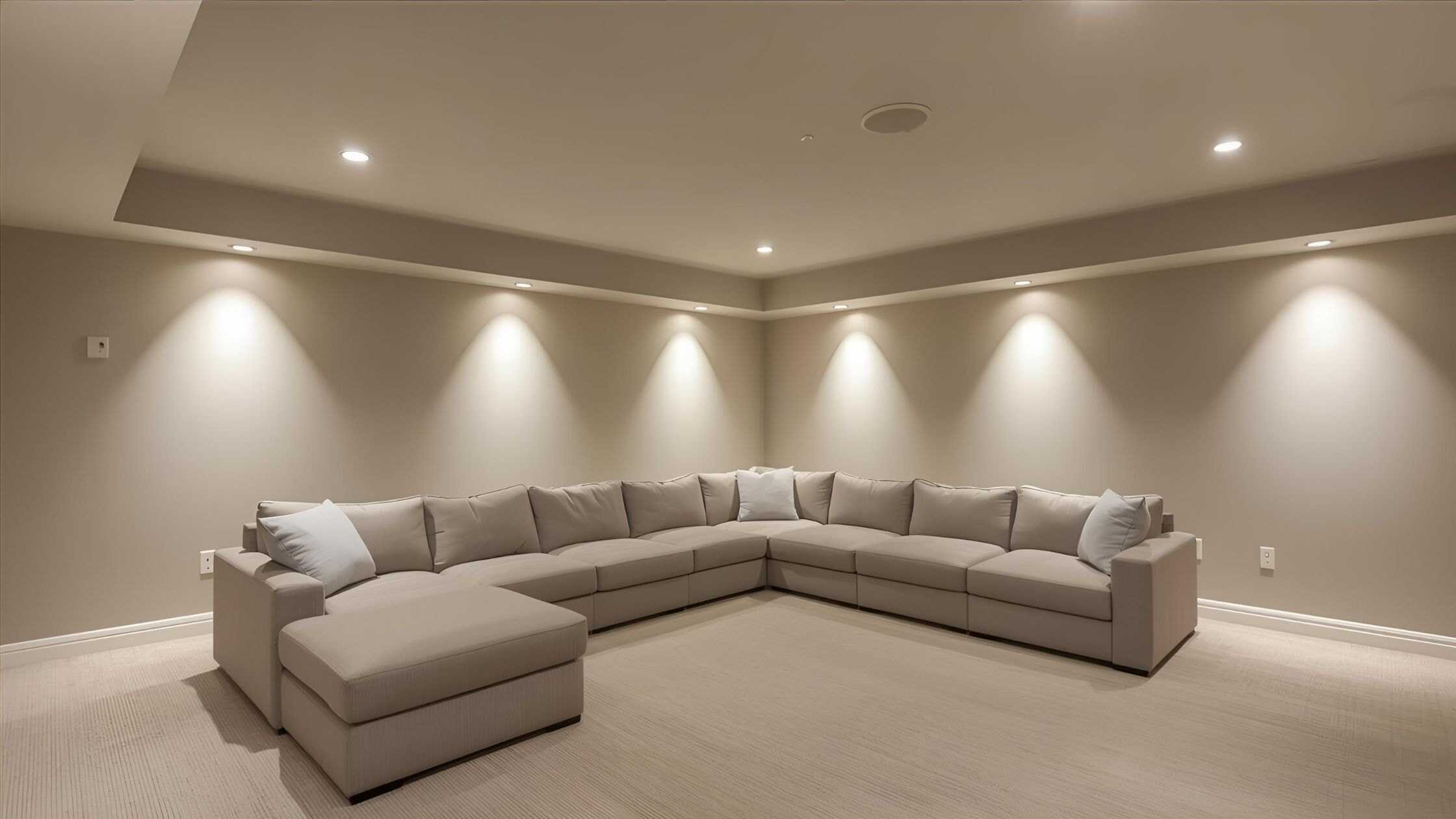
Recessed lighting provides the backbone of most successful basement lighting plans because these fixtures install flush with the ceiling surface. This makes them ideal for lower basement ceilings where hanging fixtures would create clearance problems and make the space feel cramped. These lights distribute even illumination across large areas while maintaining the clean lines that appeal to homeowners seeking modern aesthetics.
The spacing and placement of recessed lights determines how effectively they illuminate the entire basement without creating dark spots. Standard spacing typically places recessed fixtures approximately four to six feet apart, though this can vary depending on ceiling height and the brightness desired. The room layout also influences placement decisions to ensure fixtures don’t create unwanted shadows in frequently used areas.
Recessed lights come in various sizes and trim styles that can be customized for different applications throughout the space. Adjustable trims offer added versatility by allowing light to be directed toward specific areas where it’s needed most. Dimmable recessed lighting provides even more control over brightness levels, making it possible to adjust the mood for different activities. This versatility makes them an essential component of any well-designed basement lighting system.
Did you know? LED recessed lights use significantly less energy than traditional bulbs and generate minimal heat, making them safer and more economical for basements where lights often stay on for extended periods.
Strategic Placement for Maximum Effect
Different areas within the basement require concentrated recessed lighting to support the specific activities that happen there. Home office areas need particularly bright illumination for computer work and reading tasks, while workout spaces benefit from focused lights that safely illuminate exercise equipment. Kitchen or bar areas require adequate brightness for food preparation and entertaining, and home theater zones need dimmable lights that can create the right ambiance without causing annoying screen glare.
The existing ceiling height and style significantly affect how recessed lighting can be installed in the space. Standard ceilings accommodate most recessed fixtures without issue, but drop ceilings require special housing designed specifically for suspended grid systems. Exposed ceiling designs with visible joists need more creative solutions to integrate recessed lights between the structural members. Professional electricians can assess the ceiling configuration and recommend the most appropriate fixtures for each unique situation.
Layering Light Fixtures for Depth and Function
Ambient Lighting Solutions
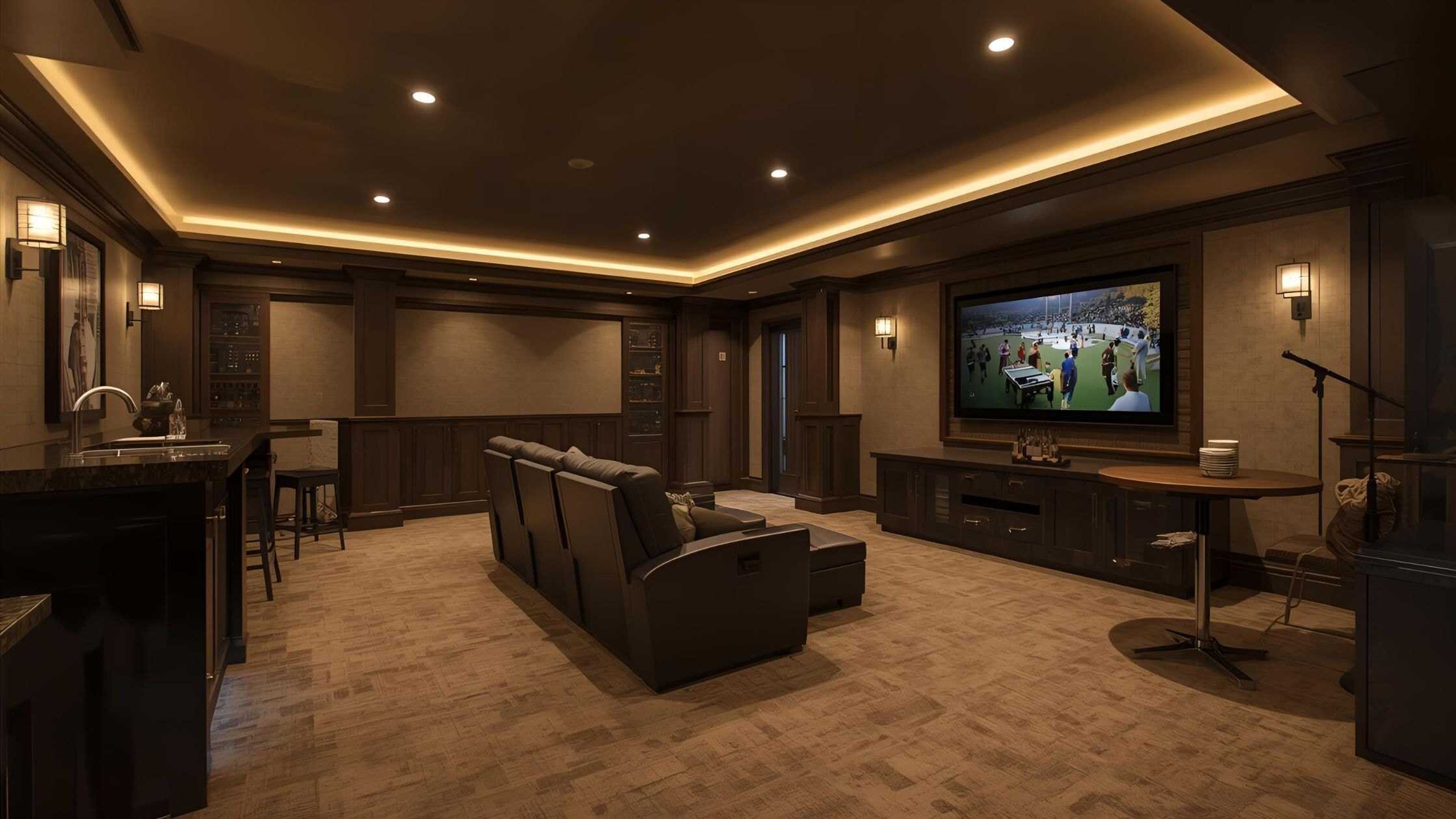
Beyond recessed, other types of fixtures can provide ambient illumination that fills the basement with warm, welcoming light. Flush-mount ceiling fixtures work particularly well in spaces with limited ceiling height because they attach directly to the ceiling without hanging down. Track lighting offers a different kind of flexibility by allowing individual lights to be adjusted and redirected as needs change over time, making it possible to highlight different areas without installing new fixtures.
Ceiling fans with integrated lighting provide a practical dual benefit by offering both air circulation and illumination in one unit. These combination fixtures prove especially valuable in basement spaces where improved air movement can make the environment feel fresher and more comfortable. The lighting component typically includes multiple bulbs that can generate substantial brightness throughout the room.
Creating a cohesive lighting design means thoughtfully selecting fixtures that complement each other in both style and function. The hardware finishes should coordinate throughout the space to create a sense of continuity and polish. This careful attention to details creates results that look professionally designed rather than haphazardly assembled.
Accent Lighting to Highlight Features
Accent lighting adds drama and visual interest to basement spaces in ways that ambient lighting alone cannot achieve. Wall sconces mounted on vertical surfaces provide both functional light and decorative appeal, working particularly well when flanking doorways or highlighting favorite pieces of artwork. These wall sconces create the kind of layered lighting that makes basements feel more sophisticated and intentionally designed rather than simply functional.
Pendant lighting suspended from the ceiling draws the eye and attention to specific areas within the larger space. Pendant lights work beautifully when positioned over bar counters or pool tables where they provide focused task lighting while also serving as decorative focal points. The fixtures can hang at various heights to suit different applications and ceiling clearances, and multiple pendant lights installed in the same configuration create a cohesive look while providing concentrated illumination where it matters most.
Under-cabinet lighting and LED strip lights offer another way to highlight architectural features while providing subtle background illumination. These fixtures can be installed beneath shelving or along stair risers to create dramatic effects that add depth to the space. The indirect illumination creates visual interest without overwhelming the room, while tray lighting installed in recessed ceiling areas produces an ambient glow that elevates the overall design aesthetic.
For inspiration on creating stunning basement environments where lighting plays a starring role, review finished basement ideas showcasing complete transformations that demonstrate the power of excellent lighting design.
Quick tip: Install lighting on separate wall switch controls for different zones to create flexibility in how the space functions throughout the day. This allows using only the necessary lights for each activity while conserving energy.
Task Lighting for Specific Activities
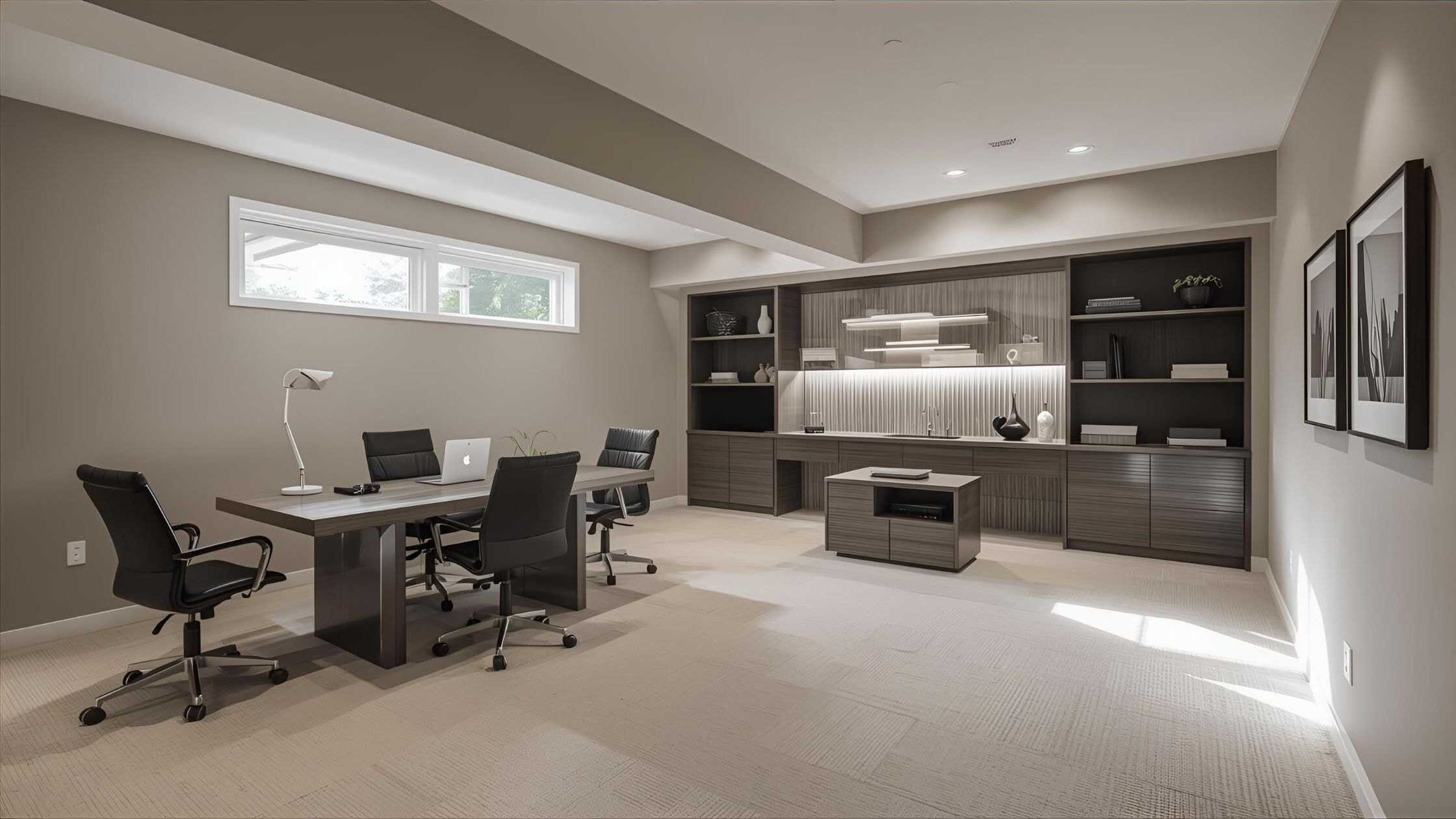
Task lighting addresses the particular needs that arise in different areas of the basement depending on how the space gets used. Floor lamps positioned near seating areas provide the focused light needed for reading or working on hobbies without overwhelming the entire room. These portable fixtures offer valuable flexibility because they can be easily plugged into standard outlets and moved around as furniture arrangements change. Table lamps serve similar purposes when placed on desks or side tables, creating pools of light exactly where they’re needed most.
Desk lamps with adjustable arms take task lighting a step further by directing light precisely where it’s needed for detailed work. These fixtures work perfectly in home offices, craft areas, or workshop spaces within the basement where concentrated illumination reduces eye strain during tasks that require close attention. LED desk lamps have become increasingly popular because they provide bright, energy-efficient light without generating the heat that could make the space uncomfortable.
Basement workshops and utility areas require particularly bright task lighting to ensure both safety and precision when working with tools or equipment. Fluorescent or LED tube lights mounted to ceiling joists provide the even, shadow-free illumination that makes detailed work easier and safer. The key is positioning these fixtures so they don’t cast shadows on work surfaces where hands or tools might block the light.
Color Temperature and Bulb Selection
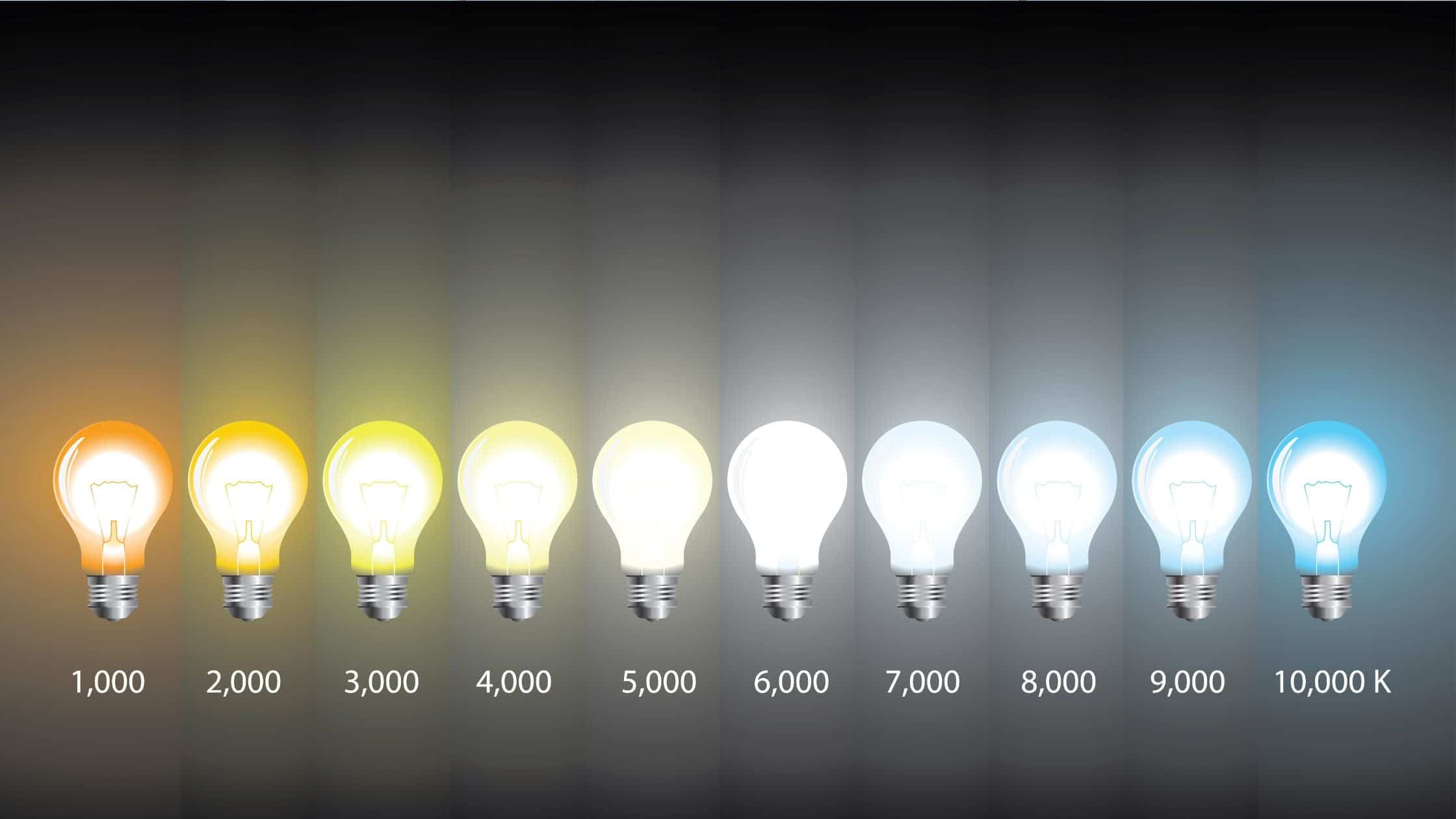
The color temperature of light bulbs has a dramatic effect on how basement spaces feel to the people using them. Warm white bulbs create cozy, inviting atmospheres that work beautifully in living areas and entertainment spaces, while cool white lights suit more task-oriented areas like workshops and laundry rooms where clarity matters more than ambiance. Daylight bulbs offer another option by mimicking natural sunshine, which can help windowless basements feel brighter and more connected to the outdoors.
LED bulbs have emerged as the clear winner when it comes to combining energy efficiency with the brightness needed for basement lighting. These bulbs last years longer than traditional options, which means less maintenance and fewer bulb changes in hard-to-reach ceiling fixtures. LED technology also produces consistent color temperature from the moment you flip the switch, and the substantial energy savings add up significantly over time in spaces where lights might stay on for hours at a stretch.
According to Better Homes & Gardens, proper lighting can make a basement feel up to 30 percent larger by eliminating dark corners and creating the visual continuity that helps the eye move freely through the space.
Design Elements That Enhance Lighting
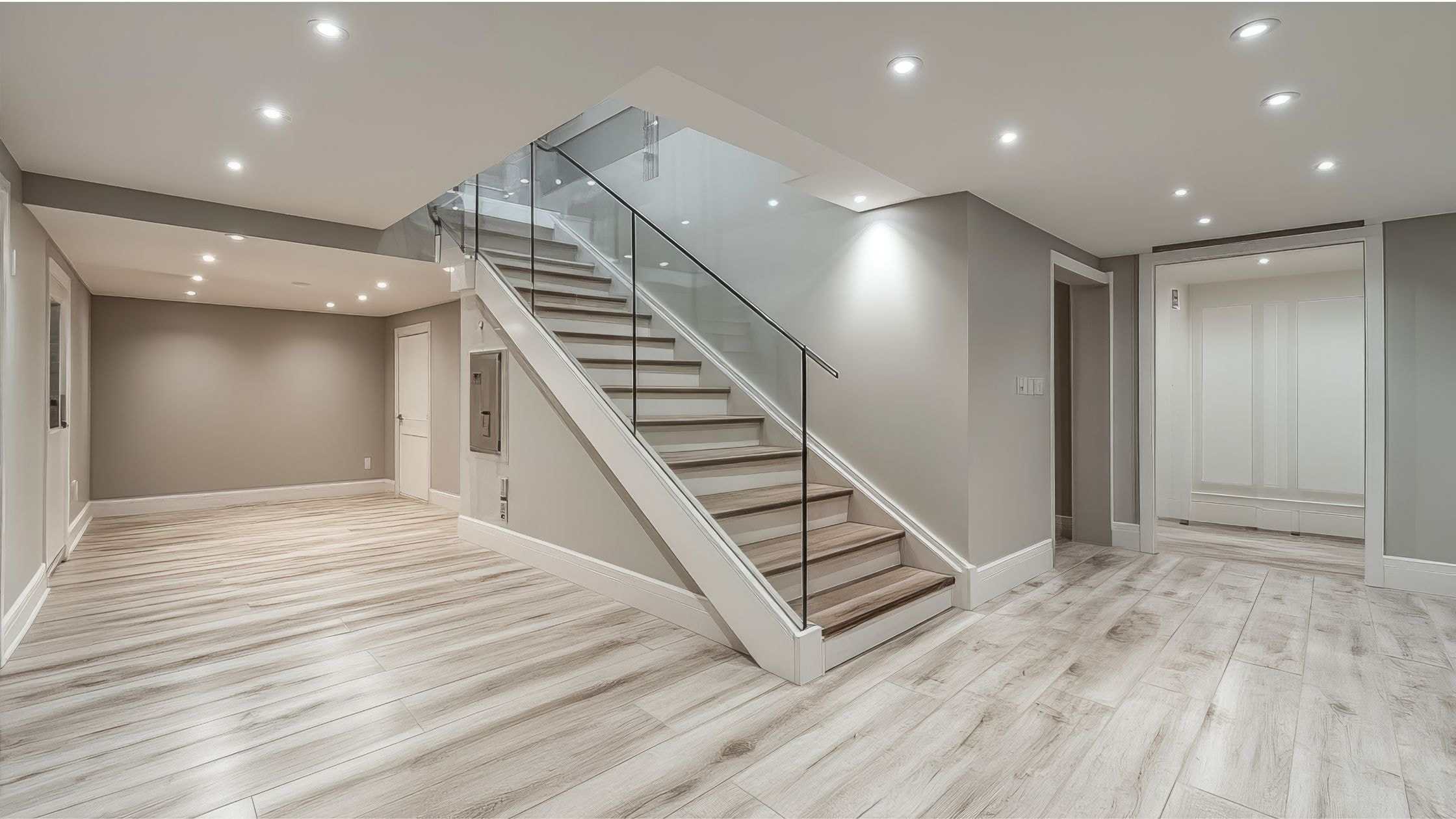
Light-colored paint on walls and ceilings works hand-in-hand with lighting fixtures to reflect illumination throughout the basement. White or pale neutral tones maximize brightness by bouncing light around the room multiple times before it’s absorbed, while dark paint has the opposite effect by absorbing light and making spaces feel smaller and more enclosed. The difference this makes in how bright a basement feels can be surprisingly dramatic.
Glossy or semi-gloss paint finishes take this concept even further by reflecting more light than flat finishes, though they do tend to highlight any imperfections in the wall surface. Mirrors placed strategically throughout the basement amplify both natural and artificial light by reflecting lighting fixtures and creating the illusion that the space extends beyond its actual boundaries. The reflective quality of mirrors makes basements feel noticeably brighter without requiring any additional fixtures or electricity.
Understanding how lighting integrates with flooring choices and other design elements creates the most cohesive and successful results. Learn more about selecting appropriate materials in basement flooring options that work beautifully with well-planned lighting to create inviting spaces.
Frequently Asked Questions
What are the best basement lighting ideas for low ceilings?
Recessed lights work best for low ceilings because they install flush with the ceiling. Flush-mount ceiling fixtures provide another excellent option. Wall sconces add ambient lighting without consuming vertical space. The key is avoiding pendant lights that require significant ceiling height.
How many recessed lights does a basement need?
The number depends on the basement size and intended use. A general rule places fixtures four to six feet apart for even coverage. Professional electricians can calculate the optimal number based on the specific space.
What type of lighting is best for a basement home theater?
Home theater spaces benefit from dimmable recessed lights. Wall sconces with dimmer controls offer ambient lighting. Accent lighting along baseboards creates subtle illumination without interfering with picture quality.
Can natural light work in a basement?
Natural light significantly improves basement environments when available. Daylight basements with large windows receive abundant sunshine. Even partial basements benefit from egress windows. Maximizing existing windows through proper treatment helps. While not all basements can achieve significant natural light, any amount improves the space.
How does lighting affect basement mood?
Lighting dramatically influences how people feel in spaces. Warm light creates cozy atmospheres. Bright white light energizes workout spaces. Layered lighting with multiple sources provides flexibility. Thoughtful lighting design transforms basements into comfortable rooms.
What style of light fixtures works best in basements?
Light fixture style should complement the overall basement design. Modern basements benefit from fixtures with clean lines. Traditional spaces call for classic fixtures. The fixture style matters less than ensuring adequate brightness and proper placement.
Illuminate Your Basement Transformation
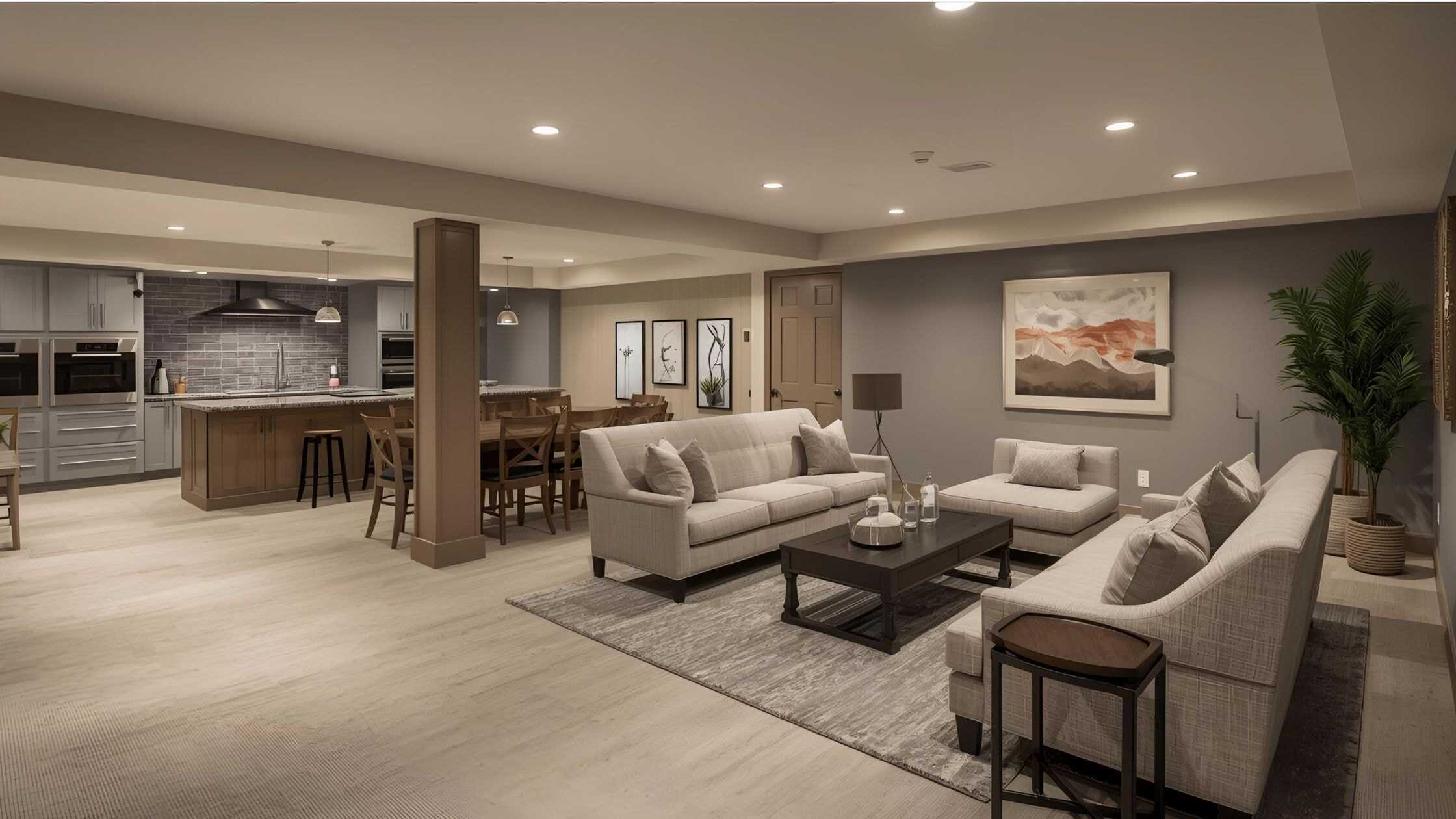
Proper basement lighting has the power to transform dark, underutilized spaces into bright, welcoming rooms where families genuinely want to spend their time. The most successful lighting designs combine recessed for general illumination with task for specific activities and accent for visual interest, creating a layered approach that addresses every need. When natural light sources are available, they should be maximized through thoughtful window treatments and reflective surfaces that help extend precious daylight as far as possible into the space.
Home Style Improvement specializes in creating comprehensive lighting plans for basement renovations that take all these factors into account. The experienced team understands how to layer different light sources effectively, select the most appropriate fixtures for each application, and create the perfect ambiance for how each space will be used. Professional installation ensures that all lighting works correctly from day one while meeting all necessary safety codes and electrical requirements.
Ready to brighten that dark basement into a beautiful, functional living space the whole family will love? Contact Home Style Improvement to discuss basement lighting ideas and begin planning a transformation that will bring new light and life to the lower level of your home.