
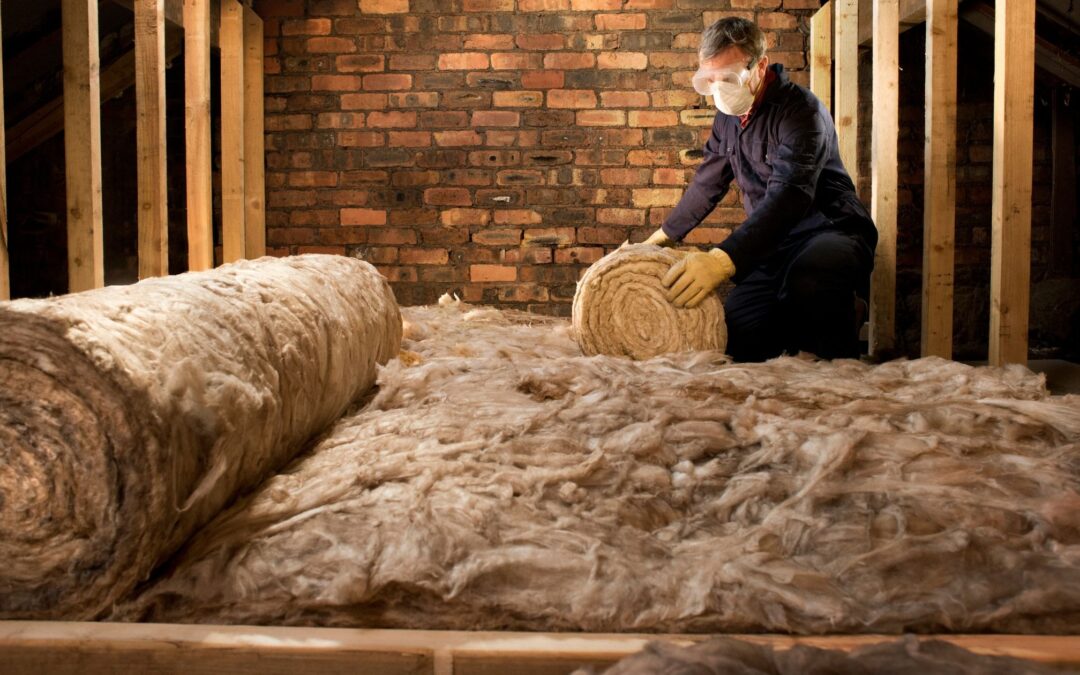
Basement insulation transforms cold, uncomfortable below-grade spaces into warm, energy-efficient living areas. Proper insulation prevents heat loss through foundation walls and floors while controlling moisture buildup that threatens structural integrity. Homeowners throughout Frederick, Maryland discover that basement insulation makes a huge difference in comfort and energy bills.
Below-grade spaces face unique challenges that demand specialized insulation approaches. Concrete foundations conduct heat rapidly, creating cold floors and uncomfortable rooms. Understanding these challenges helps homeowners make informed decisions about insulation materials and installation methods.
Professional basement finishing projects integrate insulation as a foundational element. When executed properly, basement insulation creates comfortable spaces that remain dry, warm, and energy-efficient year-round. Exploring the ultimate guide to basement finishing provides comprehensive insight into creating functional below-grade living spaces.
Why Is Basement Insulation Critical for Your Home?
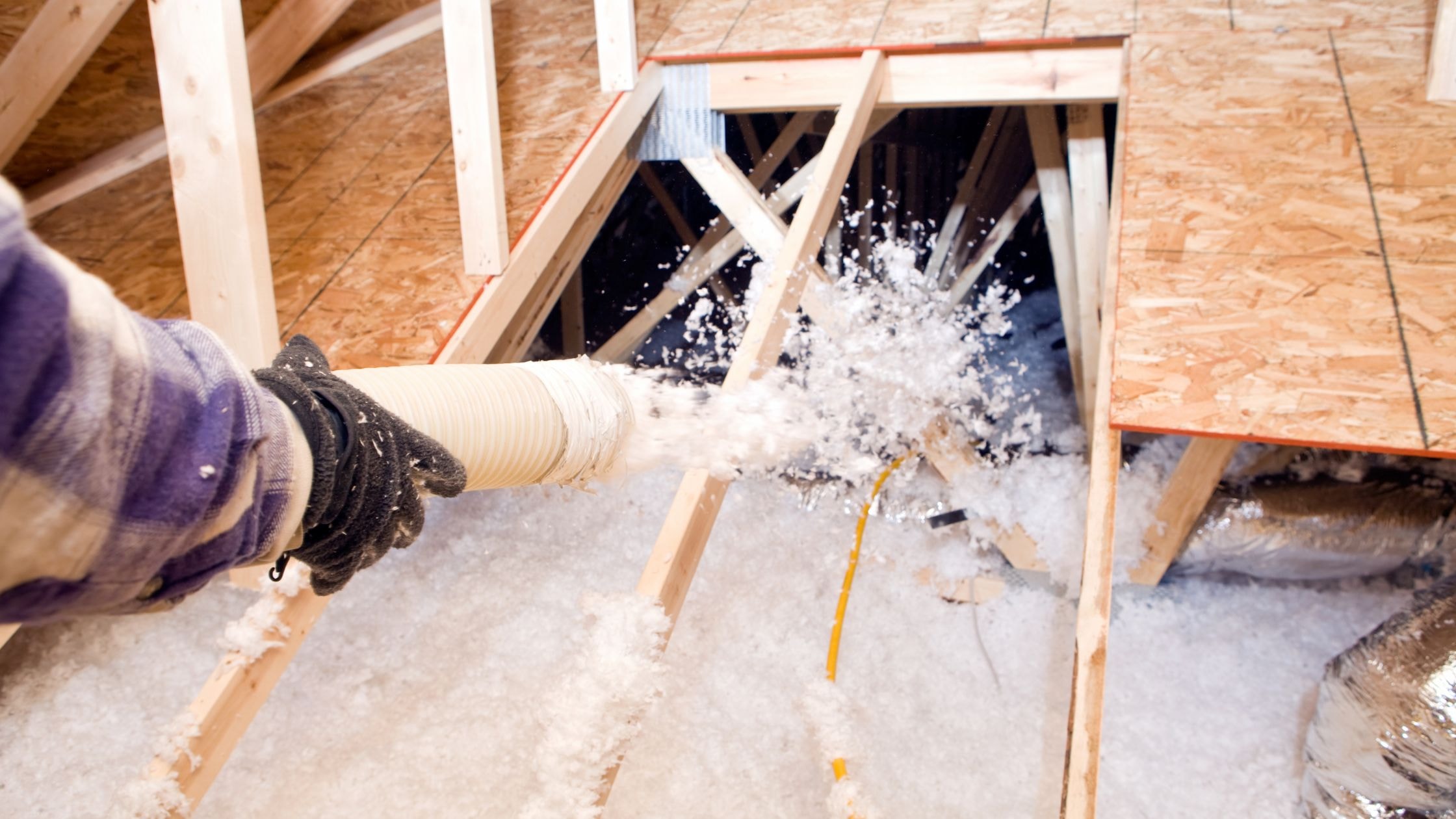
Uninsulated basement walls and floors account for significant heat loss in many houses. Heat naturally moves from warm areas toward cold, and earth-contact surfaces provide direct pathways for thermal energy to escape. This heat transfer forces heating systems to work harder, consuming more energy while failing to maintain comfortable temperatures.
Basement insulation creates an effective air barrier that slows heat movement between conditioned and unconditioned spaces. The R value of insulation materials indicates their resistance to heat flow. Higher R values provide better thermal performance, keeping basement spaces warmer in winter and reducing cooling costs in summer.
Did you know? According to the U.S. Department of Energy, insulating basement walls can reduce heating costs by 10-20% while improving overall home comfort.
Moisture issues plague uninsulated basements where warm interior air contacts cold concrete surfaces. This temperature differential causes condensation that promotes mold growth and damages building materials. Proper insulation keeps interior wall surfaces warm enough to prevent condensation while creating barriers against moisture migration through foundation walls.
Energy efficiency benefits extend beyond immediate utility savings. Well-insulated basements provide multiple advantages:
- Reduced strain on HVAC systems, extending equipment lifespan
- Temperature stability throughout the entire house
- Lower energy bills from decreased heat loss
- Improved comfort in basement and first floor spaces
- Reduced carbon footprint from decreased energy consumption
These combined benefits justify insulation investment through improved comfort and reduced operating costs.
What Are the Best Insulation Materials for Basement Walls?
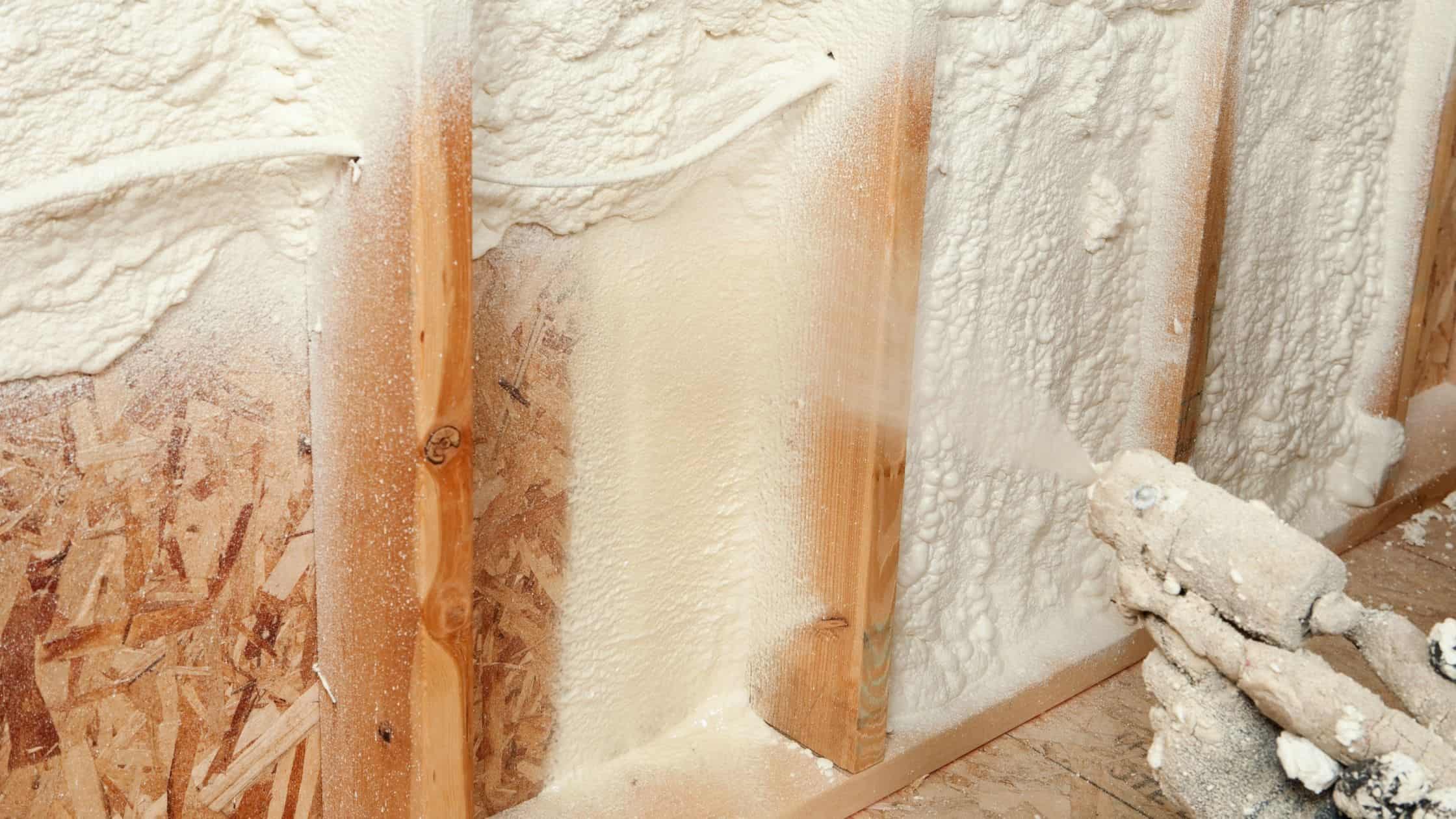
Basement walls require insulation materials that resist moisture buildup while providing adequate thermal protection. Three primary options dominate basement applications, each offering distinct advantages for below-grade environments.
Spray Foam Insulation for Superior Air Sealing
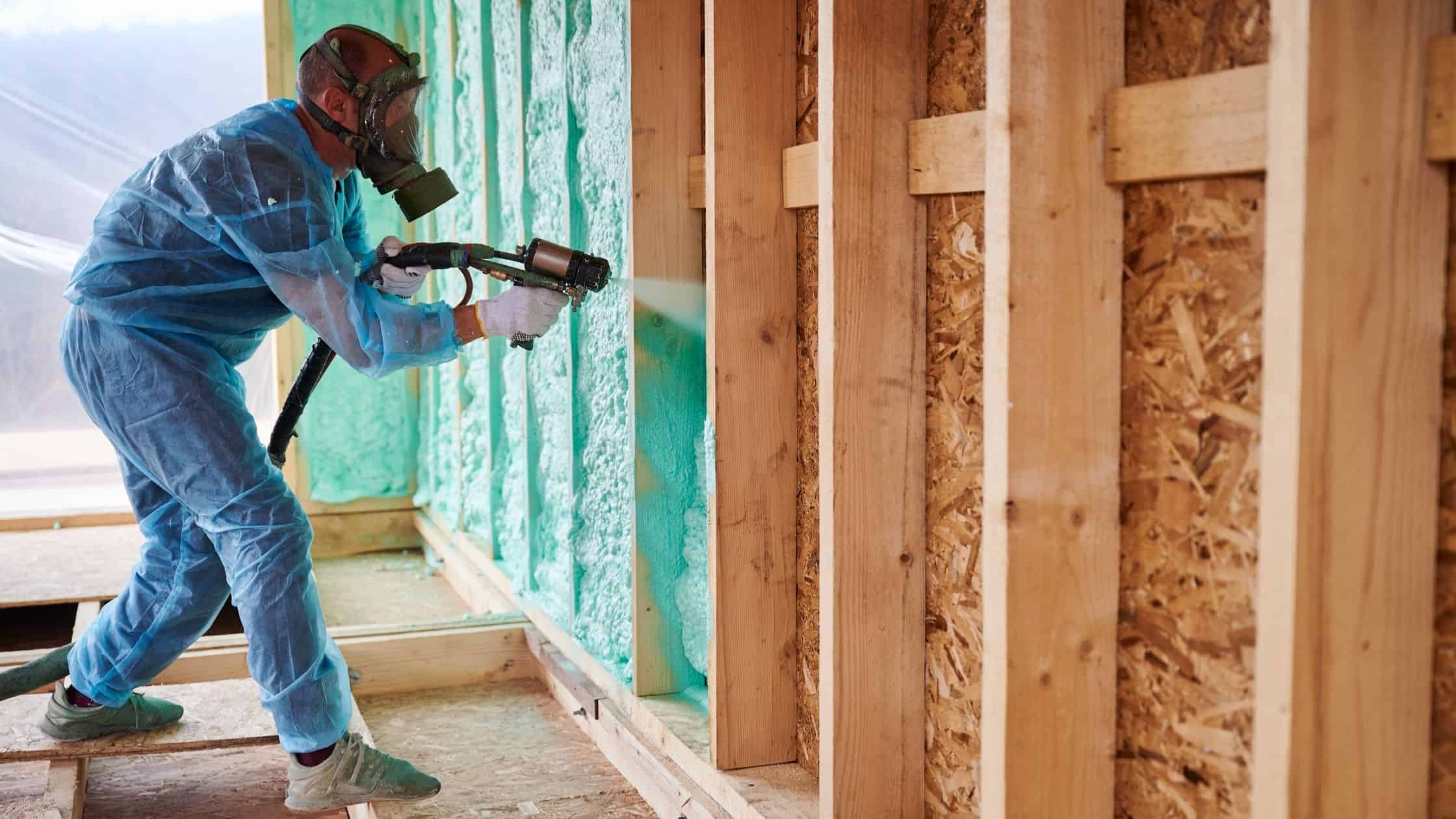
Spray foam insulation delivers exceptional performance in basement applications through combined insulation and air barrier properties. The material expands during application, filling gaps and creating seamless coverage across irregular concrete surfaces.
Closed-cell spray foam provides the highest R value per inch among common insulation materials. The dense cellular structure resists moisture penetration while adding structural rigidity to basement walls. Open-cell spray foam costs less than closed-cell alternatives while still providing effective insulation and air sealing.
Quick tip: Spray foam installation requires professional equipment and expertise to achieve proper coverage and density, making DIY application impractical for most homeowners.
The air barrier created by spray foam eliminates thermal bridging through wall studs and concrete. Traditional batt insulation allows air movement around and through the insulation, reducing effective R value. Spray foam adheres directly to concrete foundations and framing, creating continuous thermal protection.
Foam Board Insulation for Versatile Applications
Foam board insulation offers rigid panels that install against basement walls with mechanical fasteners or adhesive. Several foam board types serve basement applications, each with specific performance characteristics.
Extruded polystyrene (XPS) foam board provides consistent R value and excellent moisture resistance. The closed-cell structure prevents water absorption while maintaining thermal performance. XPS boards come in various thicknesses, allowing customization of insulation levels.
Expanded polystyrene (EPS) foam board costs less than XPS while still providing good insulation performance. Polyisocyanurate foam board delivers the highest R value per inch among foam board options. The material performs best when protected from moisture.
Foam board installation creates a drainage plane between concrete and interior finish surfaces. Air gaps behind boards allow moisture to evaporate rather than remaining trapped against concrete.
Fiberglass Insulation in Basement Applications
Fiberglass insulation provides familiar, cost-effective thermal protection when installed properly in basement environments. Fiberglass batts fit between wall studs on framed basement walls, offering straightforward installation.
The material’s vulnerability to moisture limits its effectiveness in direct-contact applications. Wet fiberglass loses R value and provides breeding grounds for mold. Successful fiberglass applications require moisture control strategies that keep the insulation dry.
Did you know? Fiberglass batts must maintain their full thickness to deliver rated R value, but compression between studs reduces actual thermal performance by 25% or more.
Faced fiberglass batts include vapor barriers that control moisture movement toward cold surfaces. The barrier faces the warm side of the wall in heating climates to prevent warm, moist air from reaching cold concrete.
How Should You Insulate Basement Walls?

Basement walls demand specialized approaches that balance thermal performance with moisture management. Two primary strategies serve different scenarios and building conditions.
Interior Basement Wall Insulation
Interior insulation systems create living space while protecting foundation walls from temperature extremes. Rigid foam board applied directly to concrete provides the first layer of thermal protection. Minimum thickness depends on local building codes and desired R value.
Wall studs installed over foam board create cavities for additional insulation and wiring channels. This framing provides attachment points for drywall while maintaining enough room for electrical installations.
Spray foam applied to interior basement walls eliminates the need for separate rigid board and cavity insulation. The material bonds directly to concrete, creating continuous thermal protection without gaps.
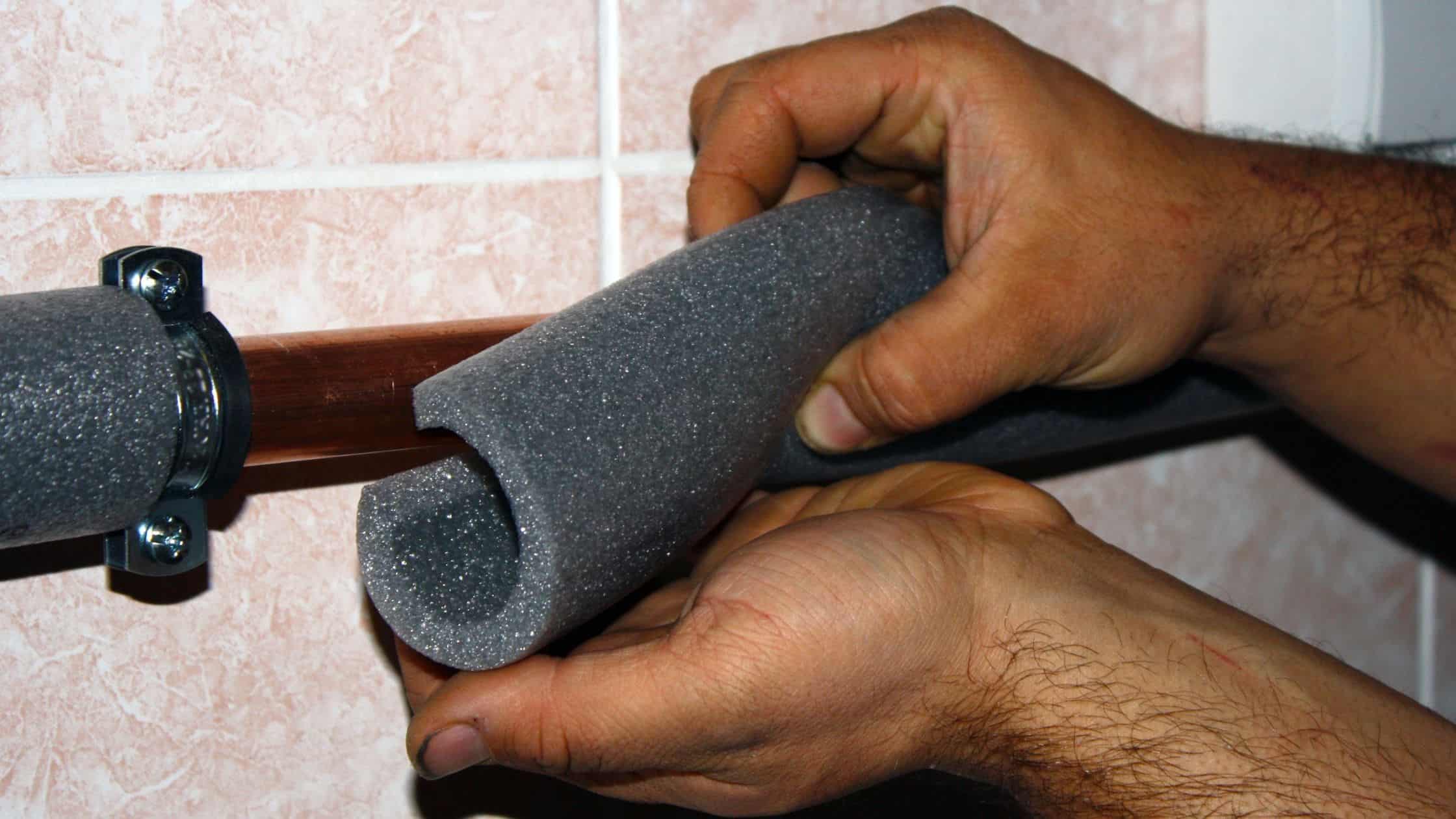
Air seal all penetrations through basement walls, including utility pipes and electrical boxes. Gaps around these openings create pathways for air movement that undermines insulation effectiveness.
Exterior Basement Walls Insulation
Exterior insulation protects foundation walls from temperature variations while keeping the concrete mass within the thermal envelope. This approach works best during new construction or when excavating for waterproofing repairs.
Rigid foam board attaches to exterior basement walls with adhesive and mechanical fasteners. The boards extend from the footer to above grade, providing continuous thermal protection. Drainage board over the insulation creates a path for water to flow down the foundation.
Exterior applications require durable insulation materials that resist moisture and mechanical damage. XPS foam board performs well in below-grade applications due to its water resistance. Protection board shields exposed insulation above grade from UV damage and physical impact.
Where Else Should You Add Basement Insulation?

Complete basement insulation extends beyond wall surfaces to address all heat loss pathways. Several additional areas require attention for comprehensive thermal control.
Insulating the Basement Ceiling
Basement ceiling insulation makes sense when keeping basement spaces unheated and separated from conditioned first floor areas. The strategy minimizes heating costs by containing warmth on upper levels.
Fiberglass batts between floor joists provide standard ceiling insulation. The batts press against the subfloor above, filling the entire joist cavity. Spray foam between floor joists creates superior air barriers while insulating. The material seals gaps around pipes and wiring that permit air leakage.
Rim Joist Insulation Requirements
The rim joist area where floor systems rest on foundation walls creates significant heat loss pathways. This perimeter band allows air infiltration and thermal bridging that undermines basement insulation efforts.
Spray foam excels at rim joist applications by sealing irregular spaces and adhering to multiple surfaces simultaneously. The material fills gaps between joists and sill plates while insulating the wood framing. This complete coverage eliminates drafts and condensation that damage wood framing.
Rigid foam board cut to fit between joists provides an alternative to spray foam. The boards require careful fitting and caulking to achieve effective air sealing. Gaps around board edges allow air movement that reduces thermal performance.
Quick tip: Rim joist insulation delivers immediate comfort improvements by eliminating cold drafts that previously flowed across basement ceilings into living spaces.
Proper rim joist insulation prevents ice dams on roofs by keeping warm air from escaping through this vulnerable area. The sealed perimeter maintains pressure balance that reduces air leakage throughout the building envelope. These combined benefits justify the attention this small area receives in comprehensive insulation strategies.
Basement Floor Insulation Considerations
Basement floors lose heat through direct contact with the earth beneath the concrete slab. Insulating basement floors makes sense when creating finished living spaces that require comfortable temperatures.
Rigid foam board installed beneath concrete slabs during construction provides permanent floor insulation. This sub-slab insulation proves impossible to add after construction without removing existing floors.
Insulation board placed over existing concrete slabs creates insulated floor assemblies. The boards require protection from damage by flooring materials installed above them. Understanding basement flooring options helps coordinate insulation and finish selections.
What Role Does Moisture Control Play in Basement Insulation?

Moisture concerns dominate basement insulation planning since water threatens both insulation performance and structural integrity. Multiple moisture sources require different management strategies.
Understanding Moisture Sources
Groundwater pressure forces moisture through porous concrete foundations through capillary action. This moisture migration continues even without visible water intrusion. Concrete blocks prove particularly vulnerable since mortar joints and hollow cores create pathways.
Interior moisture from daily activities adds to basement humidity loads. Cooking, bathing, and laundry generate water vapor that migrates toward cold surfaces. Uninsulated concrete walls condense this vapor, creating dampness and mold growth.
Preventing Moisture Buildup Behind Insulation
Moisture trapped between insulation and concrete walls causes multiple problems. The dampness compromises insulation performance while promoting mold growth. Preventing this moisture accumulation requires strategic design and material choices.
Spray foam applied directly to concrete blocks forms vapor barriers that prevent moisture migration. The material’s closed-cell structure resists water vapor transmission while maintaining R value.
Foam board installations require careful detailing to manage moisture. Leaving small air gaps between boards and concrete creates a drainage plane for condensation. Vapor barriers on the warm side of insulation assemblies prevent interior moisture from reaching cold concrete surfaces.
Addressing Active Water Problems
Active water intrusion requires resolution before adding insulation. Water pooling against foundation walls or leaking through cracks will compromise any insulation system. Exterior drainage improvements and waterproofing repairs must precede insulation installation.
Gutters and downspouts direct roof water away from foundations, reducing groundwater pressure against basement walls. Interior drainage systems collect water that enters basements despite exterior efforts. Controlling water intrusion protects insulation investments while preventing structural damage.
How Does Crawl Space Insulation Differ from Basement Insulation?
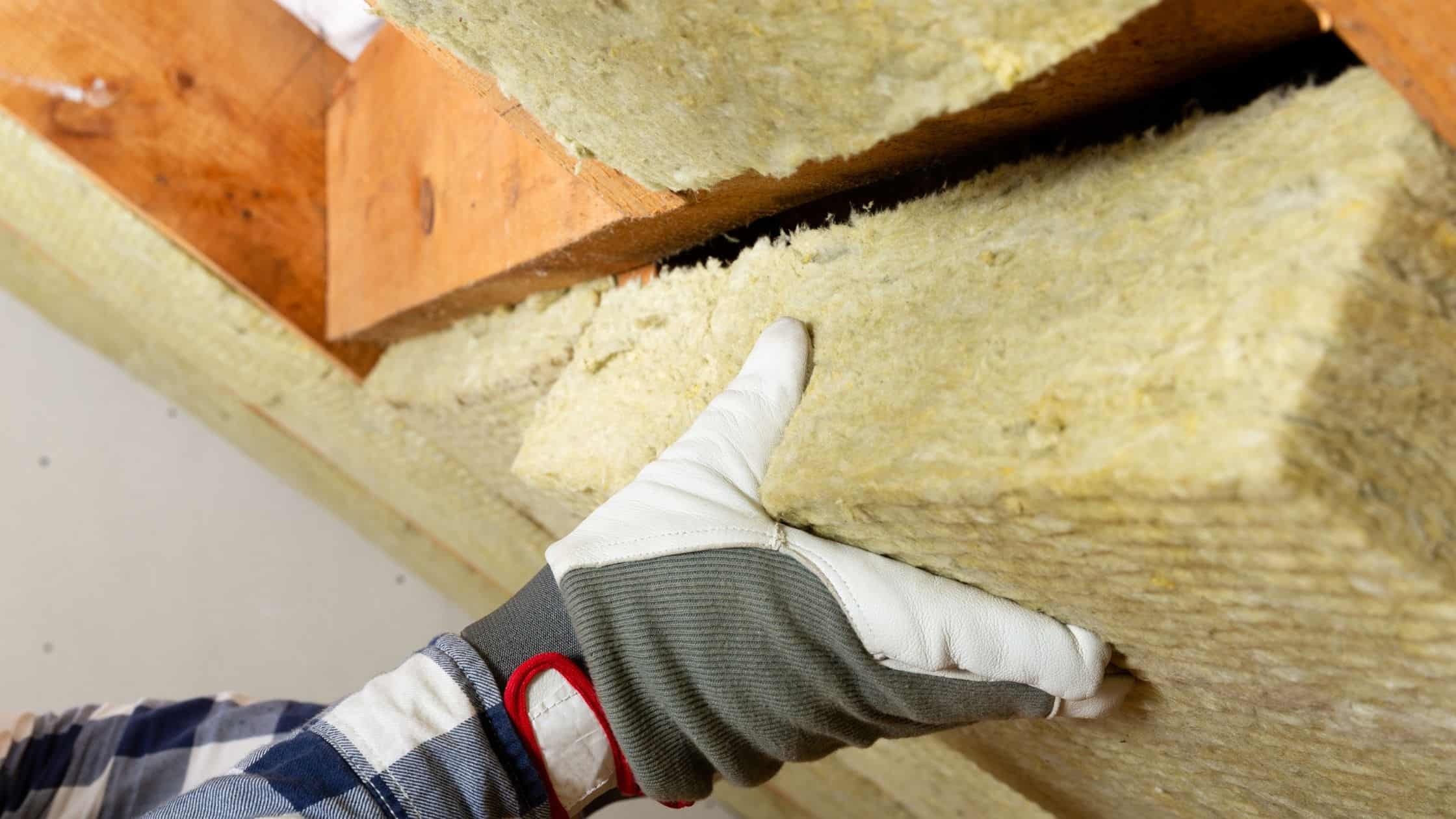
Crawl space insulation follows different principles than basement finishing applications. The decision to condition or seal crawl spaces versus leaving them vented affects insulation placement and material selection.
Conditioned Crawl Space Strategies
Sealed crawl spaces become part of the conditioned building envelope, requiring insulation on foundation walls rather than the floor above. This approach treats crawl spaces as short basements.
Foam board or spray foam on crawl space walls provides moisture-resistant insulation that performs despite high humidity. The insulation extends from the sill plate to several inches below grade. Ground covers seal exposed soil to limit moisture evaporation.
Vented Crawl Space Insulation
Traditional vented crawl spaces isolate below-floor areas from the building envelope. Insulation installs between floor joists to separate conditioned living spaces from unconditioned crawl spaces below.
Fiberglass batts between floor joists face challenges from gravity and moisture. Spray foam between floor joists provides superior performance in vented crawl space applications. The material adheres to subfloors and joists, preventing sagging while creating effective air barriers.
What Are Common Mistakes When Adding Insulation to Basements?
Basement insulation projects fail when installers ignore moisture dynamics or skip critical air sealing steps. Several common errors undermine insulation performance.
Installing Moisture-Sensitive Materials Against Concrete
Fiberglass batts placed directly against concrete walls absorb moisture and lose thermal performance. The insulation remains perpetually damp from vapor transmission. Wood framing in direct contact with concrete foundations creates rot and insect damage risks.
Neglecting Air Sealing Before Insulation
Gaps around basement windows, pipes, and wiring permit air leakage that undermines insulation effectiveness. Moving air carries heat energy far more efficiently than conduction. Air leakage through wall cavities creates convective loops that reduce actual R value. Thermal bridging through uninsulated wall studs reduces overall wall R value significantly.
Ignoring Building Code Requirements
Local building codes specify minimum R values for basement insulation based on climate zones. Inadequate insulation fails to meet energy efficiency standards. Fire hazard concerns require covering certain insulation materials with code-approved barriers. Vapor barrier requirements vary by climate and insulation configuration.
Essential Insulation Installation Steps
Proper basement insulation requires systematic approaches that address thermal performance and moisture control simultaneously:
- Test foundation walls for moisture before beginning work to identify water problems requiring repair
- Seal all cracks in concrete foundations with hydraulic cement or epoxy injection to prevent air and water infiltration
- Install exterior drainage improvements if moisture testing reveals significant water vapor transmission
- Apply foam board or spray foam directly to clean, dry concrete walls for first insulation layer
- Frame interior walls with pressure-treated bottom plates if any ground contact possibility exists
- Add cavity insulation only if foam board thickness doesn’t meet code requirements alone
- Install vapor barriers on the warm side of wall assemblies in heating climates
- Seal all penetrations through insulation with expanding foam or appropriate caulking
- Insulate rim joist areas completely to eliminate drafts and thermal bridging
- Cover foam insulation with code-required fire barriers before occupying spaces
Professional Installation Benefits
Professional contractors understand basement insulation’s unique requirements and execute installations that perform reliably. Their expertise prevents moisture problems while ensuring code compliance.
Specialized equipment produces spray foam installations with consistent density and coverage. Building code knowledge guides material selection and installation details. Warranty protection accompanies professional installations, providing recourse if problems develop.
Frequently Asked Questions About Basement Insulation
What R value does basement insulation need?
Basement insulation R value requirements vary by climate zone but typically range from R-10 to R-15 for walls. According to the International Energy Conservation Code, most regions require minimum R-10 for finished basement walls. Colder climates benefit from R-15 or higher to maximize energy savings and comfort.
Can you insulate a basement yourself?
DIY basement insulation works for straightforward applications using foam board or fiberglass batts. Careful attention to air sealing and moisture control proves essential for successful results. Spray foam insulation requires professional equipment and expertise that make DIY application impractical for most homeowners.
Should basement walls be insulated on the inside or outside?
Interior basement wall insulation suits most retrofit situations where excavation would prove expensive and disruptive. The approach creates living space while improving energy efficiency. Exterior insulation works best during new construction or when performing foundation waterproofing that already requires excavation.
How do you prevent mold when insulating basement walls?
Mold prevention requires controlling moisture sources and using appropriate materials. Address water intrusion problems before installing insulation. Use closed-cell spray foam or rigid foam board that resists moisture rather than absorbent fiberglass. Maintain proper ventilation to control humidity levels that support mold growth.
What is the best insulation for basement walls?
Spray foam insulation provides the best overall performance for basement walls through combined air sealing and moisture resistance. The material delivers high R value while preventing condensation problems. Foam board offers good performance at lower cost when properly detailed for air sealing and moisture control.
Do basement ceilings need insulation?
Basement ceiling insulation makes sense when keeping basements unheated and separated from living spaces above. The strategy reduces heating costs by containing warmth on upper floors. Skip ceiling insulation when finishing basements as living spaces that require heating and cooling.
How much does basement insulation cost?
Basement insulation costs vary by material type, installation complexity, and regional labor rates. Budget-friendly fiberglass installations cost less than premium spray foam applications. Professional installations include material, labor, and expertise that ensures code compliance and long-term performance.
Creating Comfortable, Energy-Efficient Basement Spaces
Basement insulation fundamentally transforms below-grade spaces from cold, damp areas into comfortable, energy-efficient living environments. Proper material selection and installation techniques address the unique challenges concrete foundations present. Moisture management strategies prevent the condensation and mold growth that undermine both comfort and structural integrity.
Understanding insulation options empowers homeowners to make informed decisions about basement finishing projects. Spray foam delivers superior performance through integrated air sealing and moisture resistance. Foam board provides cost-effective thermal protection when detailed properly. Fiberglass insulation works in limited applications where moisture control and air sealing receive appropriate attention.
Comprehensive insulation strategies extend beyond wall surfaces to include rim joists, ceilings, and floors as project needs dictate. Professional installation ensures code compliance while delivering warranty-backed performance. The investment in proper basement insulation pays dividends through reduced energy costs, improved comfort, and enhanced home value.
Frederick, Maryland homeowners benefit from working with experienced contractors who understand local building requirements and climate conditions. Professional basement finishing creates spaces that remain comfortable year-round while avoiding the moisture problems that plague poorly executed projects. Exploring options for basement ceiling ideas helps complete the vision for comfortable below-grade living spaces.
Quality basement insulation creates foundations for functional living areas that serve families for decades. The combination of thermal performance and moisture management transforms previously unusable spaces into valuable home additions. Professional expertise ensures these improvements deliver lasting comfort and energy savings throughout their service life.