
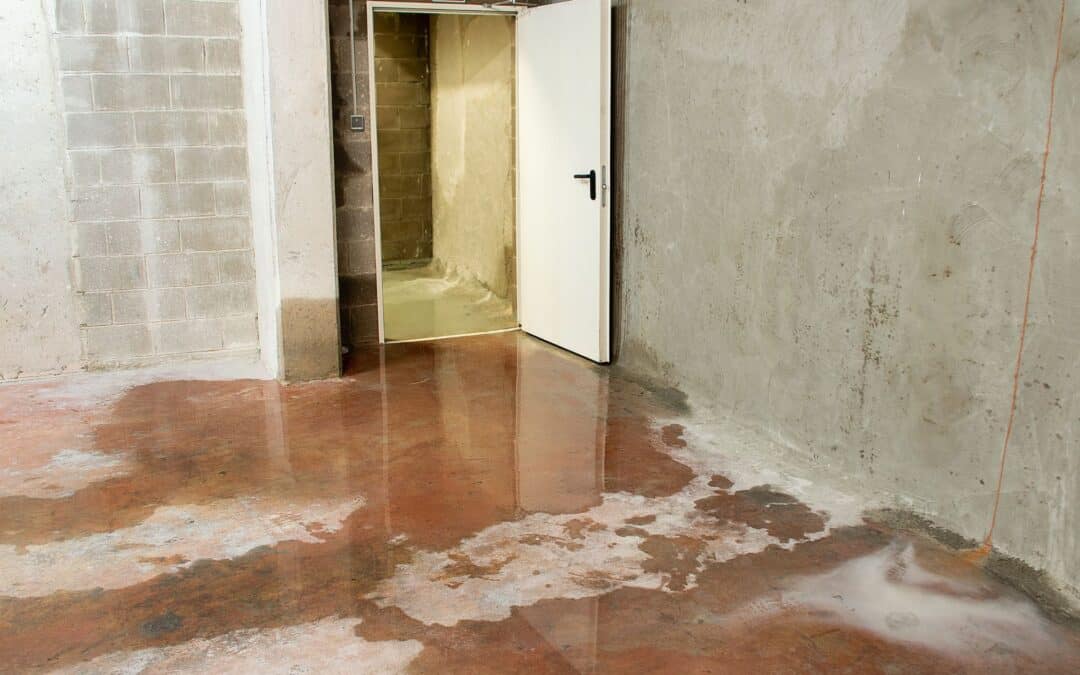
Basement waterproofing protects your home from water intrusion, structural damage, and costly repairs. A dry basement prevents mold growth, preserves structural integrity, and creates a healthy environment for finished living spaces. Proper waterproofing methods address water issues before they compromise your foundation and interior spaces.
Water damage represents one of the most common and expensive problems homeowners face. Basement water infiltration leads to ruined belongings, damaged building materials, and health concerns from moisture and mildew. Maryland’s climate brings heavy rain and fluctuating groundwater levels that challenge even well-constructed homes in Frederick and surrounding areas.
Understanding basement waterproofing systems helps homeowners protect their investment. Whether you plan to finish your basement or simply want to prevent moisture problems, addressing water issues correctly saves money and stress. The right combination of waterproofing methods creates a comprehensive solution that keeps basements dry year-round.
This guide covers essential techniques to waterproof basement spaces effectively. You’ll learn about interior and exterior approaches, drainage systems, and maintenance practices that prevent water seepage. Home Style Improvement prioritizes proper waterproofing in every basement project because lasting results depend on a solid, dry foundation.
What Are the Common Causes of Basement Water Problems?
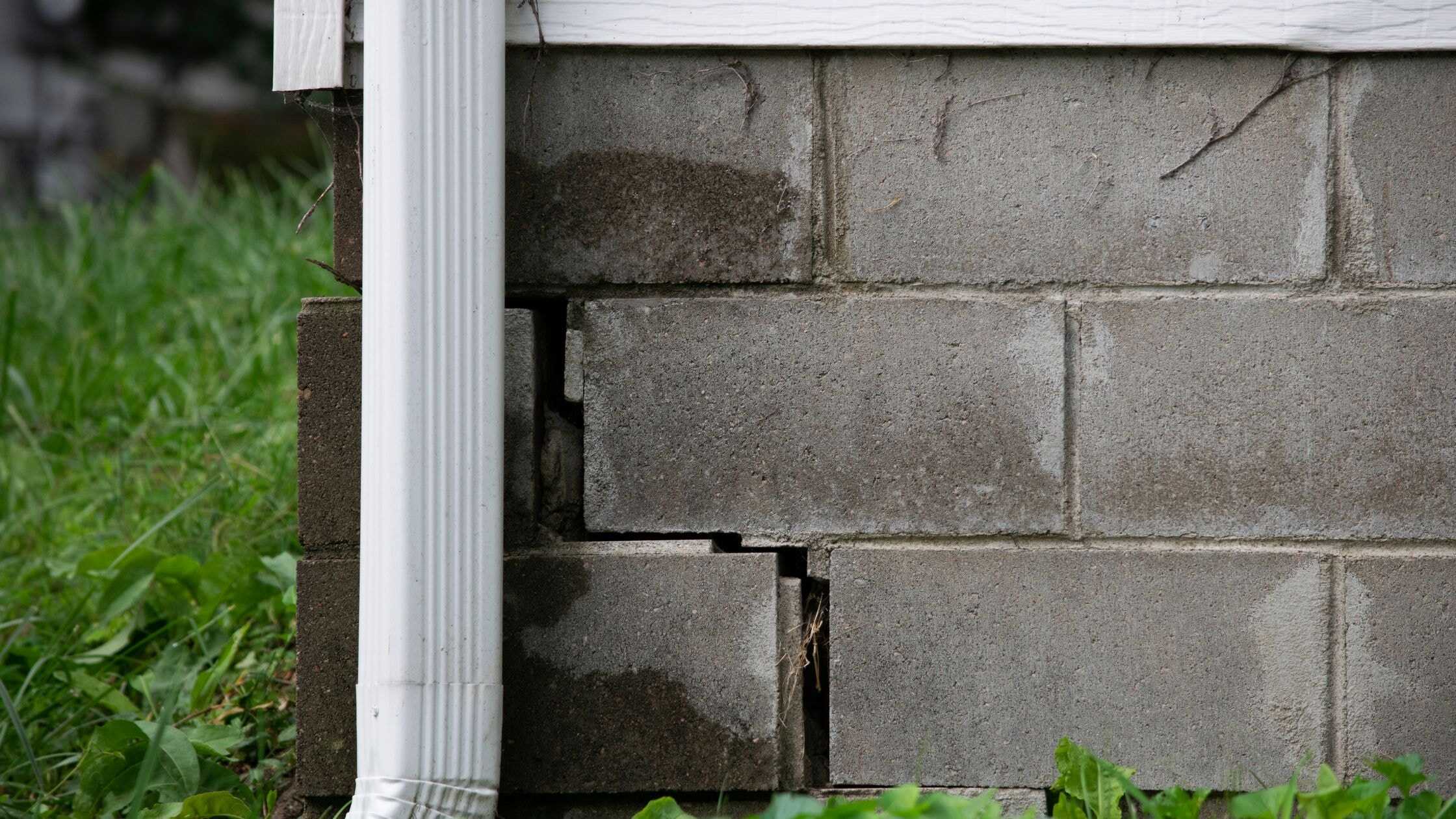
Understanding why water enters basements helps homeowners address root causes rather than just symptoms. Multiple factors contribute to moisture intrusion, and many homes experience combinations of these issues.
Hydrostatic pressure occurs when groundwater accumulates around foundation walls. This water pressure forces moisture through porous concrete, cracks, and joints. High water tables in some areas create constant hydrostatic pressure that overwhelms inadequate waterproofing.
Poor drainage around the house directs rainwater toward the foundation rather than away from it. Clogged gutters, improper grading, and missing downspout extensions allow too much water to pool near basement walls. This excess water eventually finds its way through foundation materials.
Cracks in foundation walls and basement floors provide direct pathways for water. These openings develop from settling, soil pressure, or normal aging of building materials. Even hairline cracks can allow significant water seepage during heavy rain or snowmelt.
Did you know? According to the American Society of Home Inspectors, about 60% of homes have moisture problems in their basements or crawl spaces, making waterproofing one of the most common home improvement needs.
Condensation forms when warm, humid air contacts cool basement walls and floors. This moisture source differs from water infiltration but still creates dampness that supports mold growth. Relative humidity above 60% encourages condensation and creates musty odors.
How Do Basement Waterproofing Systems Work?
Basement waterproofing systems combine multiple approaches to prevent water intrusion and manage moisture. Effective systems address both water entry and removal, creating redundant protection layers.
Interior Drainage Systems Channel Water Away
Interior drainage systems collect water that enters the basement and direct it to a sump pump for removal. These systems typically involve installing a drainage channel along the perimeter where basement walls meet the floor. The channel captures water seeping through walls or rising through floor joints.
Installing interior drainage systems requires cutting a trench in the basement floor along the foundation walls. Workers place perforated pipe in crushed stone within this trench, then cover it with new concrete. The system collects groundwater before it surfaces on the basement floor.
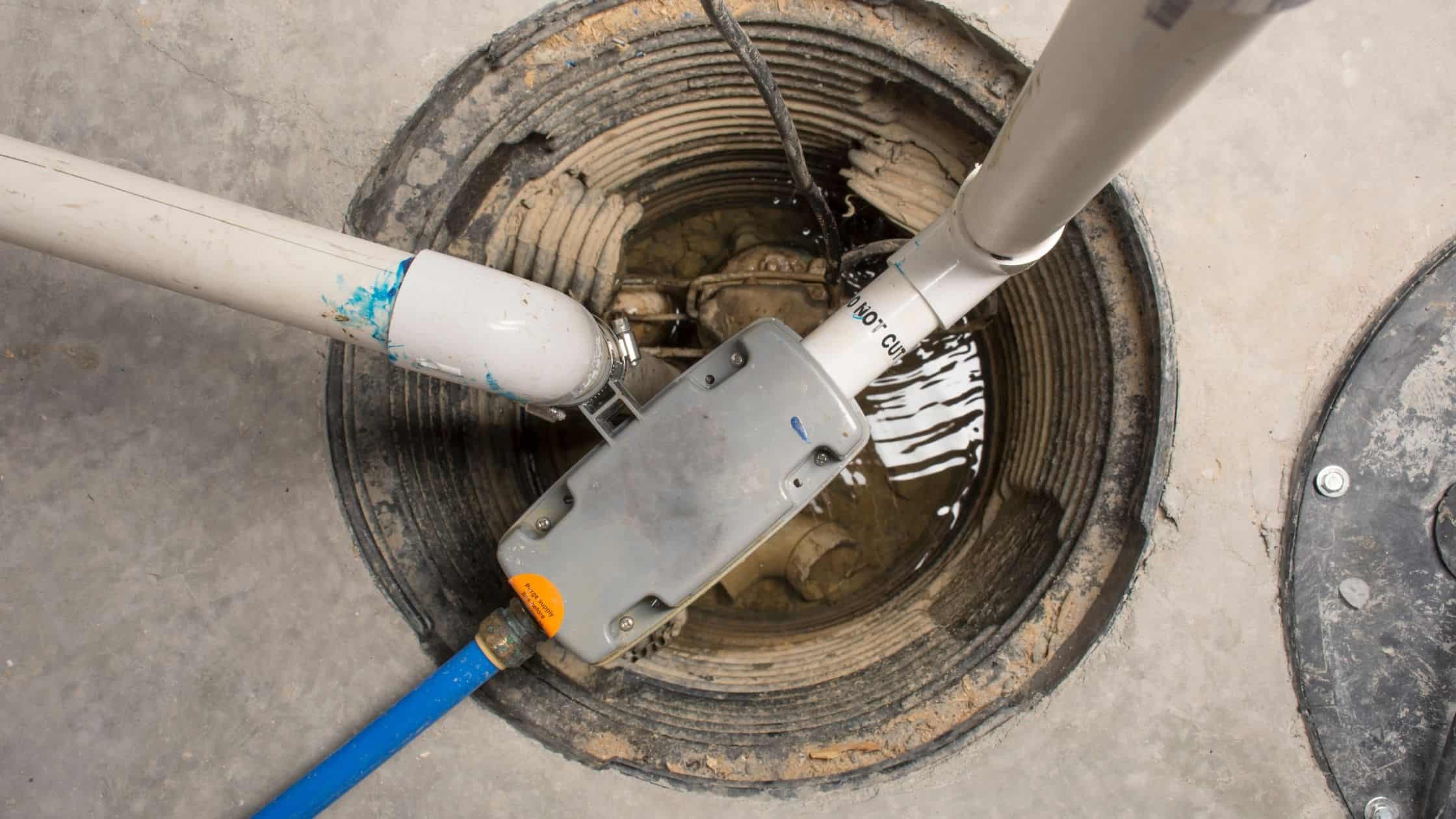
The collected water flows to a sump pump basin, usually located at the lowest point of the basement. The sump pump automatically activates when water levels rise, pumping excess water away from the house through discharge pipes. Quality sump pump systems include battery backup to protect against power outages during storms.
Quick tip: Install a sump pump alarm to alert you if water levels rise abnormally or if the pump fails, giving you time to address problems before flooding occurs.
Exterior Waterproofing Creates a Barrier
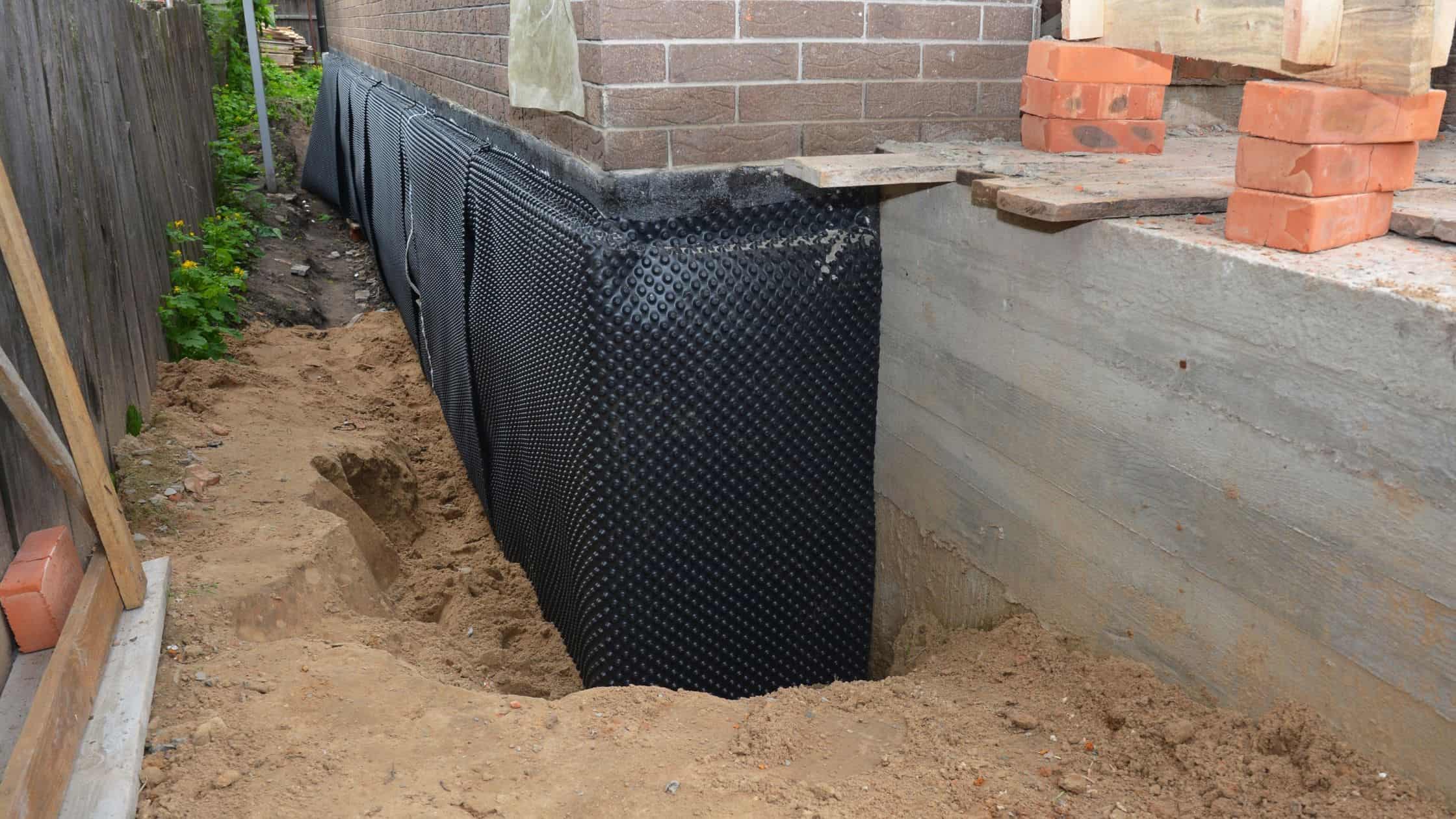
Exterior waterproofing prevents water from reaching foundation walls in the first place. This approach involves excavating soil from around the foundation to expose basement walls completely. Workers then apply waterproof coating or waterproofing membrane directly to the exterior concrete surfaces.
The waterproofing membrane creates a continuous barrier that blocks water infiltration through foundation walls. This flexible material bonds to the concrete and bridges minor cracks that develop over time. Some systems also include drainage boards that create an air gap and drainage path along the wall.
Exterior waterproofing works best during home construction but can be added to existing homes through excavation. The process costs more than interior methods due to excavation and landscaping restoration. However, exterior systems address water before it contacts foundation materials, providing superior long-term protection.
Interior Waterproofing Seals from the Inside
Interior waterproofing applies interior sealants and waterproof coating to basement walls and floors from inside the house. These products penetrate concrete pores and create moisture barriers. Interior waterproofing methods work well for minor seepage but cannot withstand significant hydrostatic pressure.
Waterproof coating products range from basic paint-on sealers to advanced crystalline formulas that react chemically with concrete. The best waterproofing products penetrate deeply and seal pores while allowing concrete to breathe. This prevents moisture vapor from becoming trapped within walls.
Interior sealants complement other waterproofing methods but rarely solve serious water problems alone. They help control humidity and minor dampness while drainage systems and sump pumps handle larger water volumes. Combining interior and exterior approaches creates the most effective waterproof basement solution.
Why Does Hydrostatic Pressure Matter for Basement Walls?

Hydrostatic pressure refers to the force groundwater exerts against foundation walls and basement floors. This pressure increases with soil saturation and water table height, pushing moisture through porous materials and any available openings.
Poured concrete contains millions of tiny pores that water can penetrate under pressure. Even high-quality concrete becomes permeable when hydrostatic pressure builds sufficiently. Foundation walls below the water table face constant pressure that eventually allows moisture intrusion.
Drainage systems reduce hydrostatic pressure by capturing groundwater before it accumulates against foundation walls. By lowering water levels around the foundation, these systems eliminate the pressure that forces water through concrete. This approach addresses the root cause rather than just blocking symptoms.
Soil conditions affect hydrostatic pressure significantly. Clay soil drains slowly and retains moisture, increasing pressure on basement walls. Sandy soil drains quickly but allows water to reach the foundation rapidly during heavy rain. Understanding local soil characteristics helps homeowners choose appropriate waterproofing methods.
What Are the Best Basement Waterproofing Methods?
Selecting the right basement waterproofing methods depends on water source, severity, and home construction. Most comprehensive solutions combine multiple techniques for redundant protection.
Effective waterproofing approaches include:
- Installing interior drainage systems with sump pump backup
- Applying exterior waterproofing membrane during construction or renovation
- Sealing cracks in foundation walls and basement floors
- Improving surface drainage through grading and gutter systems
- Installing vapor barriers in crawl spaces
- Using dehumidifiers to control relative humidity
How to Keep Your Basement Dry During Heavy Rain
Heavy rain tests waterproofing systems and reveals weaknesses in drainage. Proactive measures reduce water intrusion risks during storms and spring snowmelt.
Gutters and downspouts must function properly to direct roof water away from the foundation. Clean gutters prevent overflow that saturates soil near basement walls. Downspout extensions should discharge water at least 6-10 feet from the house.
Grading around the foundation affects how surface water flows. The ground should slope away from the house at least 6 inches over the first 10 feet. This gradient directs rainwater away before it can seep into soil near basement walls.
Window wells require proper drainage to prevent water accumulation. Installing covers keeps rain out while drainage connections channel water to the perimeter drainage system. Unprotected window wells can direct hundreds of gallons directly against basement walls during storms.
Did you know? The International Residential Code requires foundation walls to be waterproofed from the top of the footing to the finished grade in areas with well-drained soil, and even more extensively in poorly drained conditions.
Protecting Crawl Spaces from Moisture Intrusion
Crawl spaces face unique waterproofing challenges due to their limited height and poor ventilation. Moisture problems in crawl spaces affect indoor air quality throughout the house because air rises from lower levels.
Vapor barriers installed over crawl space soil prevent moisture from evaporating into the air. Heavy plastic sheeting extends up foundation walls and seals at all seams and penetrations. This creates a continuous moisture barrier between soil and living spaces.
Crawl spaces benefit from the same drainage systems that protect full basements. Perimeter drains collect groundwater while sump pumps remove excess water. Proper drainage in crawl spaces prevents standing water that causes structural damage to floor joists and subflooring.
Some homeowners convert vented crawl spaces to conditioned spaces by insulating walls and floors. This approach treats the crawlspace as part of the home’s thermal envelope, controlling both temperature and moisture more effectively than traditional vented designs.
Installing Interior Drainage Systems: What to Expect
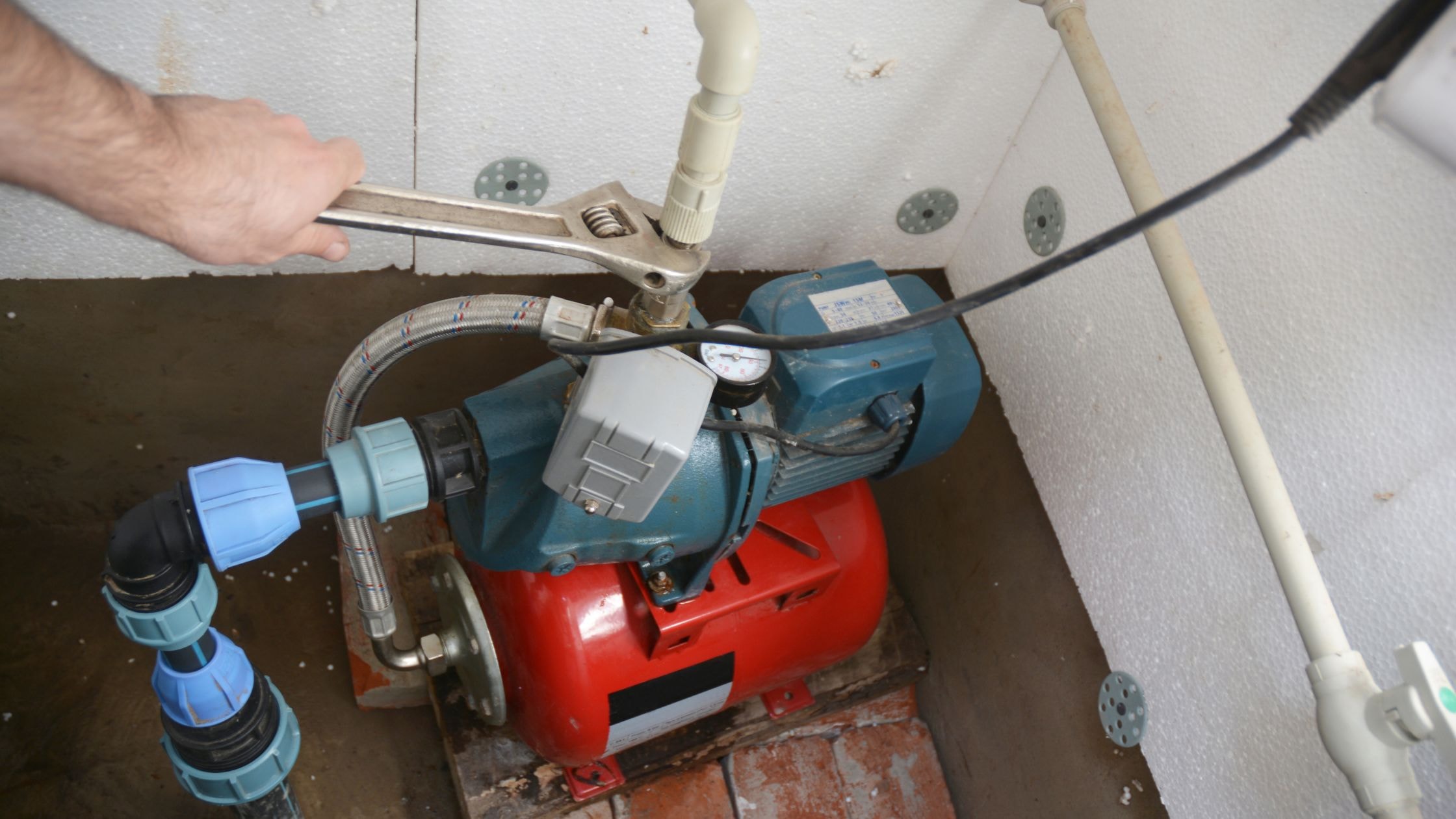
Installing interior drainage systems involves significant but manageable disruption to basement spaces. Understanding the process helps homeowners prepare and recognize quality work.
Installation follows this sequence:
- Mark the drainage route along perimeter walls and to the sump pump location
- Cut and remove a trench in the basement floor approximately 12-16 inches wide
- Break through the footer drain connection if present
- Install perforated drainage pipe on a crushed stone base
- Connect the drainage pipe to the sump pump basin
- Cover the system with additional stone and new concrete
- Test the sump pump operation and drainage flow
The installation typically takes 1-3 days depending on basement size and complexity. Workers must carefully protect finished areas from dust and debris during concrete cutting. Quality contractors use dust control equipment and plastic barriers to minimize mess.
Choosing a reliable sump pump system proves critical for long-term basement dry conditions. Primary pumps should move at least 2,500 gallons per hour, with higher capacities for large basements or severe water problems. Battery backup sump pumps protect against power outages that often coincide with storms.
How Does Exterior Waterproofing Differ from Interior Methods?
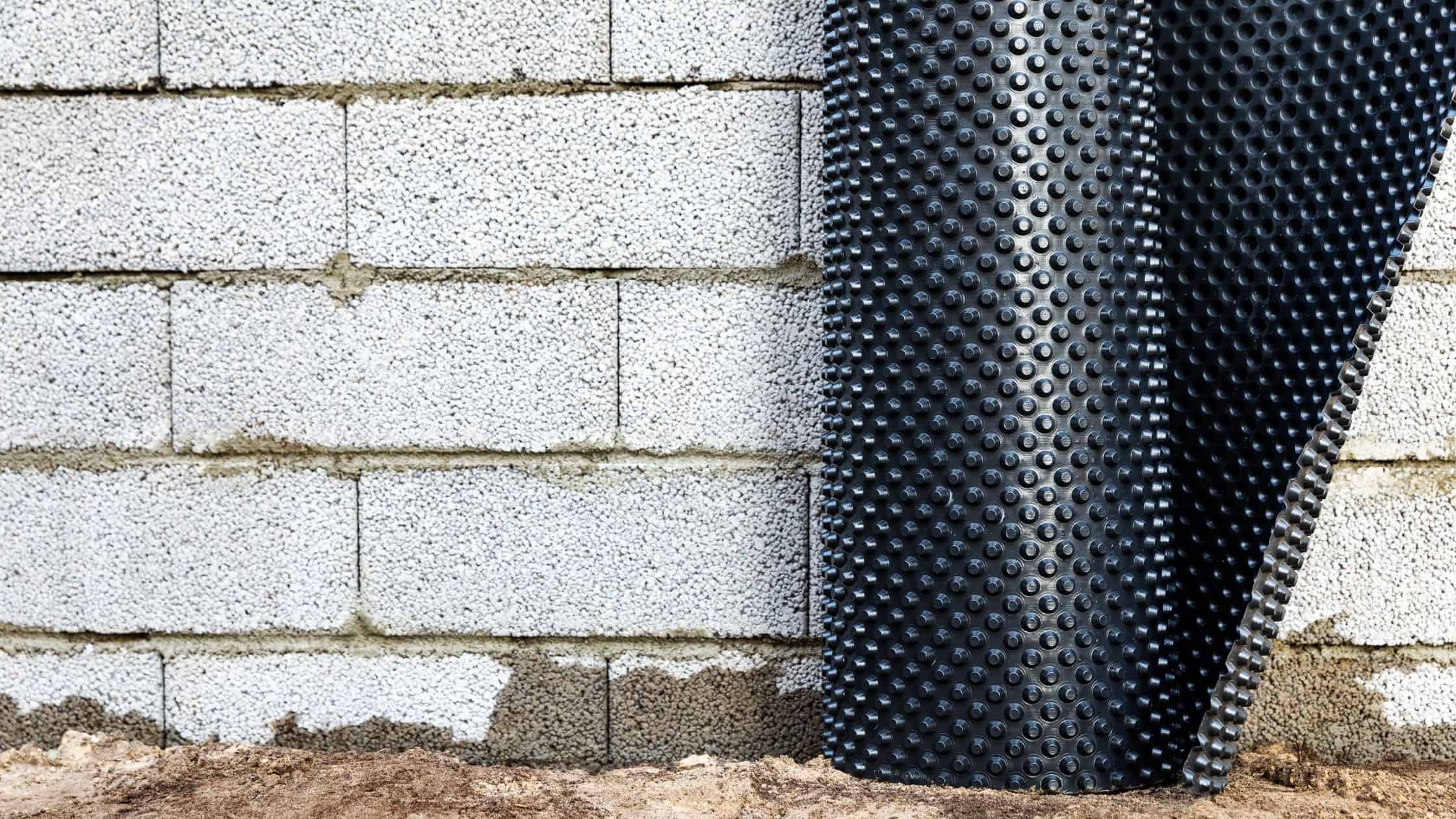
Exterior waterproofing addresses water before it reaches foundation walls, while interior methods manage water that penetrates to the basement interior. Both approaches serve important roles in comprehensive basement waterproofing systems.
Exterior waterproofing requires excavating around the entire foundation perimeter. Workers expose basement walls to their full depth, typically 8-10 feet below grade. This excavation allows access to apply waterproofing membrane and install drainage systems at the footer level.
The overall cost of exterior waterproofing exceeds interior methods due to excavation, material requirements, and landscaping restoration. However, exterior systems prevent water intrusion rather than managing it after entry. This proactive approach protects structural integrity more effectively for severe water problems.
Interior methods prove more practical for existing homes where excavation disrupts landscaping, hardscaping, and adjacent structures. Installing interior drainage systems addresses water that penetrates foundation walls while avoiding expensive excavation. Many homeowners choose interior solutions unless exterior problems require addressing.
Maintaining Your Basement Waterproofing System
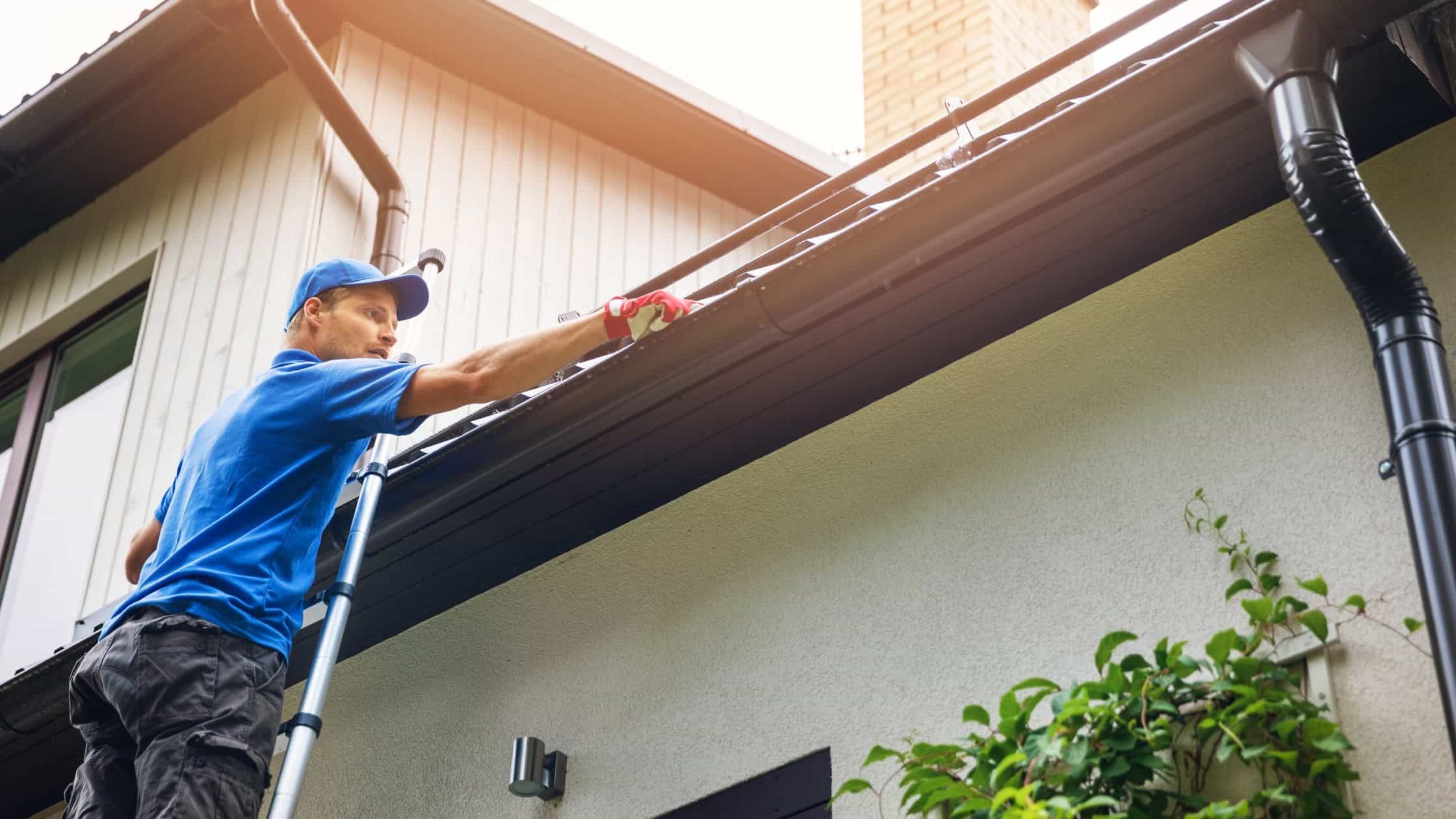
Proper maintenance keeps waterproofing systems functioning reliably for decades. Regular inspections identify small problems before they become expensive emergencies.
Sump pump testing should occur quarterly at minimum. Pour water into the basin until the pump activates, confirming proper operation and adequate flow rate. Check the discharge pipe for obstructions and verify water flows away from the foundation. Replace sump pumps showing signs of wear before they fail.
Inspect basement walls and floors for new cracks or moisture signs after heavy rain. Efflorescence (white mineral deposits) indicates water seepage through concrete. Fresh cracks require sealing promptly to prevent water intrusion and structural issues.
Clean gutters and downspouts twice yearly to maintain proper drainage. Verify that downspout extensions remain in place and discharge water adequately away from the foundation. Regrade soil near the foundation if settling creates depressions where water can pool.
Monitor basement humidity levels with a hygrometer. Relative humidity above 60% encourages mold growth and indicates inadequate ventilation or excess moisture. Dehumidifiers help control humidity but don’t solve underlying water intrusion problems.
Frequently Asked Questions About Basement Waterproofing
What Does Basement Waterproofing Cost?
Basement waterproofing costs vary significantly based on severity, method, and basement size. Interior drainage systems with sump pump installation represent the most common approach for existing homes. Exterior waterproofing costs substantially more due to excavation requirements. Most homeowners find that proper waterproofing costs far less than repairing water damage and replacing damaged materials.
Can You Waterproof a Basement from the Inside?
Yes, interior waterproofing effectively manages most water intrusion problems. Installing interior drainage systems with sump pumps addresses groundwater seepage through walls and floors. Interior sealants and waterproof coatings add protection against minor moisture. However, severe hydrostatic pressure or deteriorating foundation walls may require exterior approaches for comprehensive solutions.
How Long Does Basement Waterproofing Last?
Quality basement waterproofing systems last 20-30 years or longer with proper maintenance. Sump pumps typically need replacement every 7-10 years depending on workload. Exterior waterproofing membrane can last the life of the home when properly applied. Interior drainage systems require minimal maintenance beyond occasional sump pump service and system inspection.
When Should You Waterproof Your Basement?
Waterproof your basement before finishing it or as soon as water problems appear. Signs requiring immediate attention include standing water, persistent dampness, musty odors, efflorescence on walls, and mold growth. Address waterproofing during home construction or major renovations when access is easiest. Proactive waterproofing prevents damage and creates healthier living spaces.
Does Homeowners Insurance Cover Water Damage?
Most homeowners insurance policies exclude gradual water seepage and moisture problems but may cover sudden flooding from specific causes. Review your policy carefully and consider flood insurance if you live in flood-prone areas. Proper basement waterproofing protects your investment regardless of insurance coverage and prevents the stress of dealing with water damage.
What’s the Difference Between Waterproofing and Dampproofing?
Waterproofing creates impermeable barriers that block water under pressure, while dampproofing only resists moisture vapor. Building codes require dampproofing as a minimum standard, but true waterproofing provides superior protection. Homes with high water tables, poor drainage, or history of water problems need waterproofing rather than basic dampproofing to maintain a leaky basement free environment.
Can You Finish a Basement Without Waterproofing?
Finishing a basement without proper waterproofing invites expensive problems. Moisture damages drywall, insulation, flooring, and other materials while creating mold growth and poor air quality. Basement finishing projects should always begin with waterproofing assessment and remediation. Home Style Improvement prioritizes creating dry conditions before installing finishes because water intrusion ruins even the highest-quality materials.
Creating a Dry Foundation for Your Basement Project
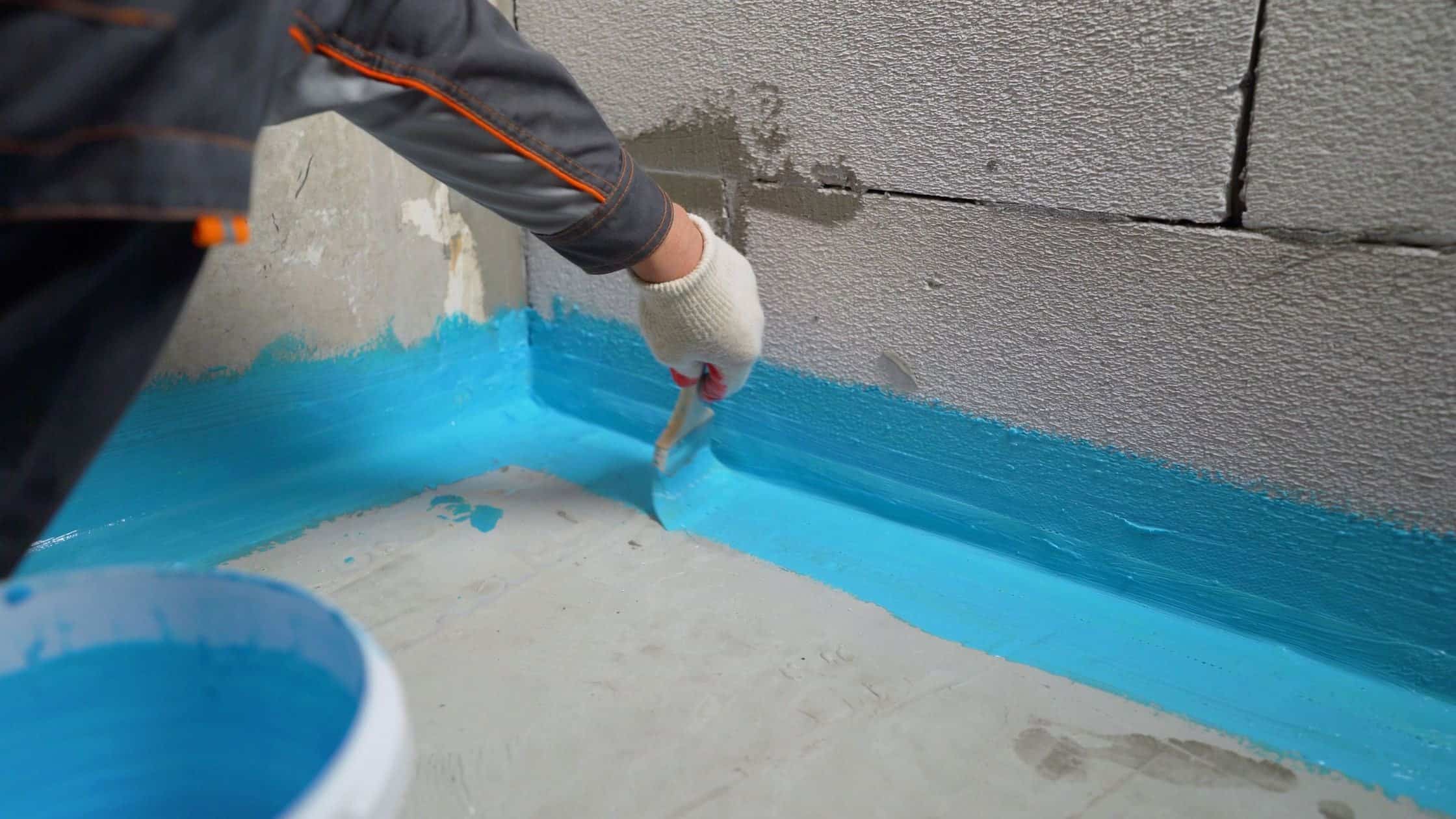
Basement waterproofing forms the essential foundation for any basement improvement project. Whether you plan extensive finishing work or simply want to protect your home from water damage, proper waterproofing prevents moisture problems that compromise structural integrity and indoor air quality.
The most effective basement waterproofing systems combine multiple approaches tailored to specific water sources and severity. Interior drainage systems with reliable sump pumps manage groundwater intrusion. Exterior waterproofing prevents water from reaching foundation walls. Surface drainage improvements direct rainwater away from the house. Together, these methods create redundant protection that keeps basement dry through all weather conditions.
Understanding waterproofing methods helps homeowners make informed decisions about protecting their investment. Some water problems require professional assessment to identify root causes and design comprehensive solutions. Other situations allow homeowners to address drainage and minor seepage independently. DIY basement finishing tips can guide capable homeowners, but waterproofing work often benefits from professional expertise.
Home Style Improvement approaches every basement project by ensuring proper waterproofing first. This commitment prevents the frustration and expense of repairing water damage to new finishes. From selecting ceiling options to installing flooring and walls, every decision assumes a dry, protected environment.
Water intrusion doesn’t have to compromise your basement’s potential. Proper waterproofing transforms damp, musty spaces into comfortable areas suitable for living, recreation, or storage. The investment in quality waterproofing systems pays returns through protected home value, lower maintenance costs, and peace of mind during every storm. Taking time to waterproof basement spaces correctly creates the dry, healthy foundation your home deserves.