

Basement ceiling ideas transform overlooked overhead spaces into design features that enhance comfort and style. The right basement ceiling choice balances function with aesthetics while addressing challenges like low ceilings and exposed utilities. Frederick, Maryland homeowners discover that thoughtful basement ceiling ideas make basements feel finished and inviting throughout the entire house.
Understanding available basement ceiling ideas helps homeowners choose solutions that fit their budget and style preferences. Exploring the ultimate guide to basement finishing provides comprehensive strategies for creating comfortable below-grade living spaces.
What Are the Most Popular Basement Ceiling Ideas?
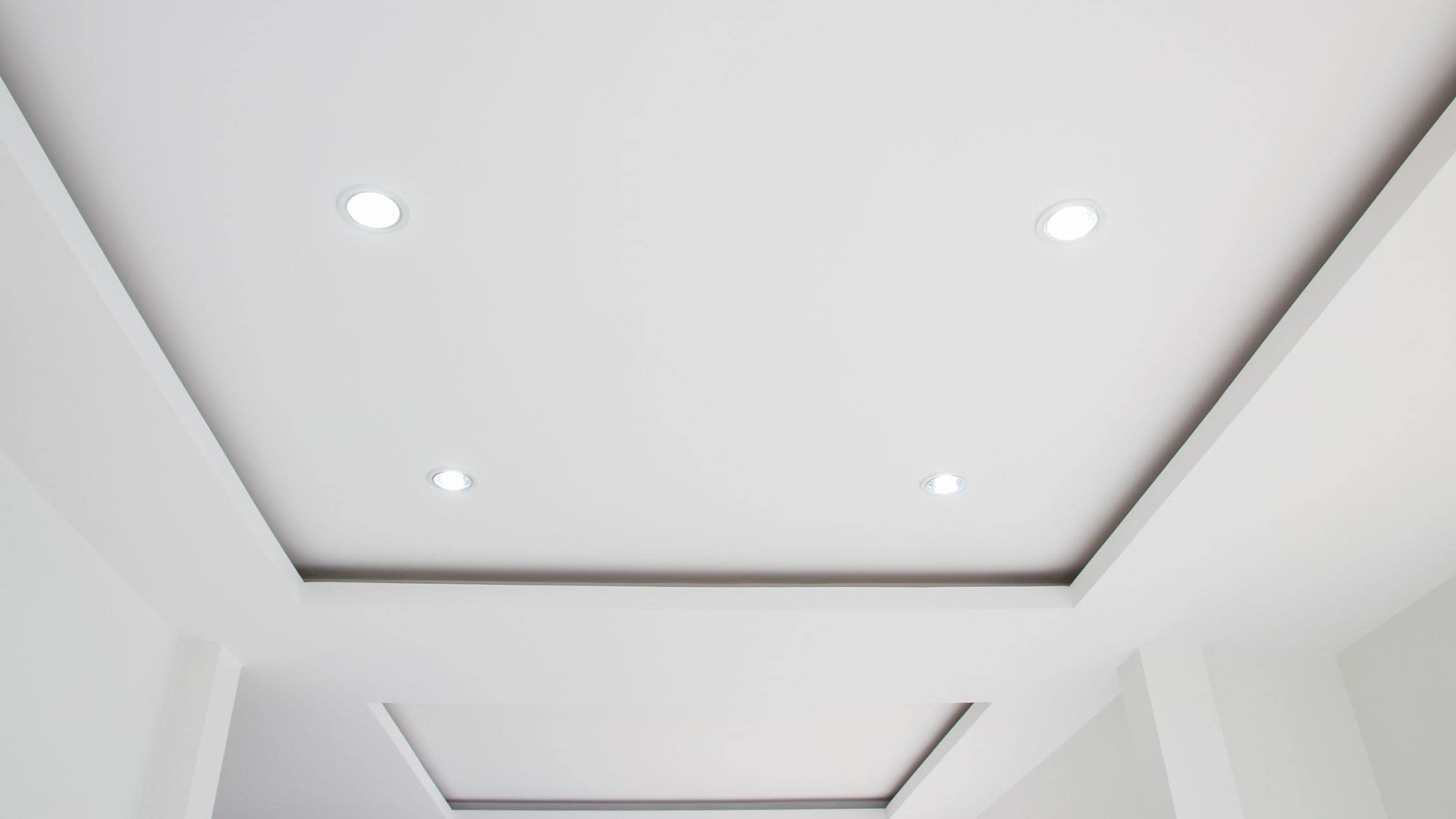
Drop ceilings hide utilities while maintaining access. These suspended systems install below joists, concealing pipes behind removable ceiling tiles. The grid allows easy repairs without tearing out permanent materials.
Drywall ceilings create seamless, traditional appearances. The smooth finish accepts any paint color and works best when utilities are organized.
Did you know? According to the National Association of Home Builders, proper basement ceiling selection can increase living space value by 10-15% compared to unfinished basement areas.
Exposed ceiling designs embrace industrial style by leaving joists and pipes visible. Strategic paint in matte black or white creates modern aesthetics while maximizing ceiling height.
How Do Drop Ceilings Work in Basements?
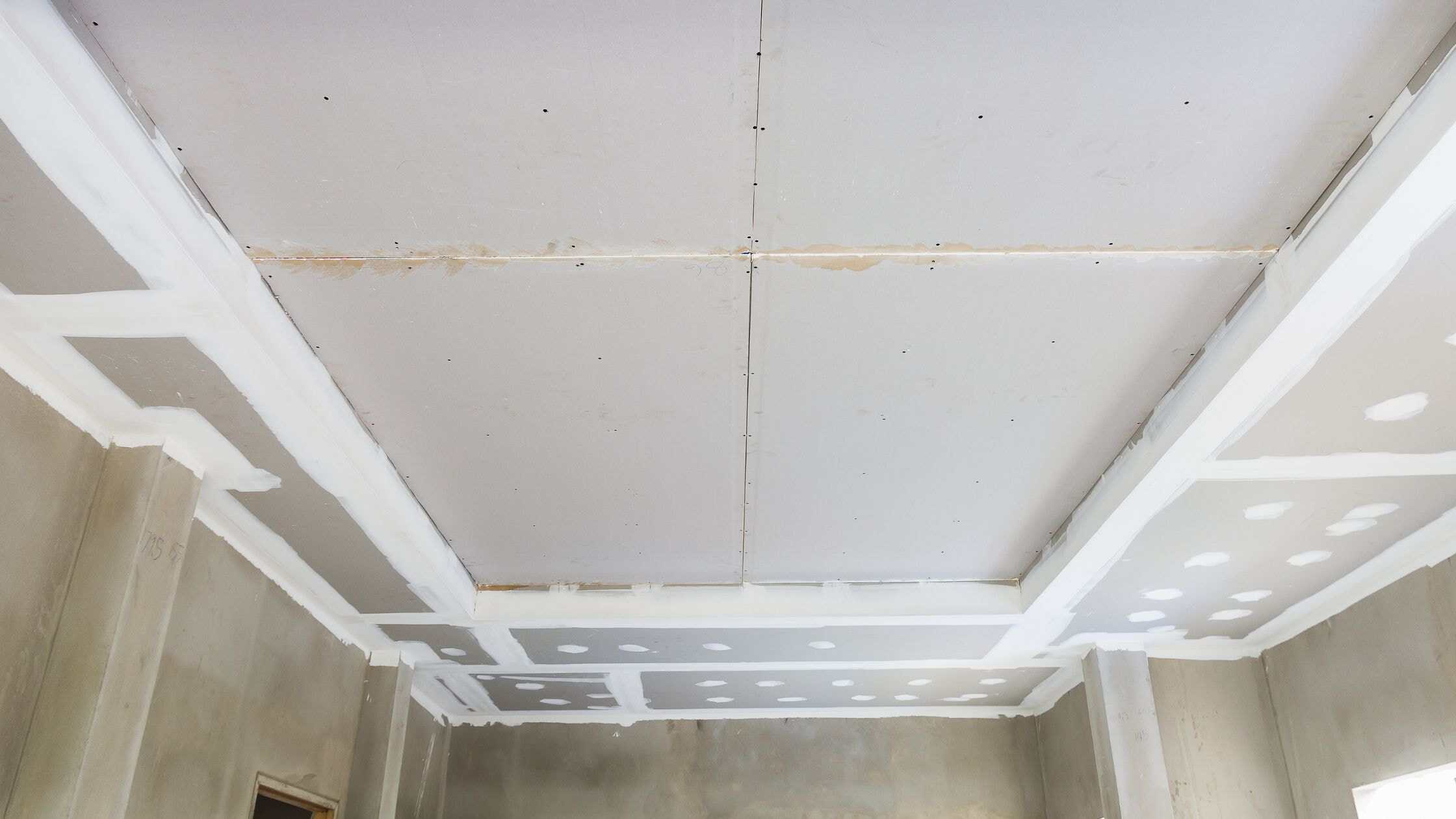
Drop ceiling systems suspend a metal grid below floor joists, concealing utilities. The grid accepts lightweight ceiling tiles that rest in the framework. Among all basement ceiling ideas, drop ceilings excel at hiding plumbing and electrical while remaining less expensive than custom drywall installations.
Installation begins by marking level lines around the room. Wall molding attaches to these lines. Main runners span the room, connecting to wires from joists. Cross tees complete the grid.
Quick tip: Drop ceilings reduce basement ceiling height by 4-6 inches minimum, so measure carefully to ensure adequate headroom remains.
Mineral fiber tiles provide sound absorption. Vinyl-faced tiles resist moisture. Simply push up any tile to access utilities above.
What Makes Drywall Basement Ceilings Popular?
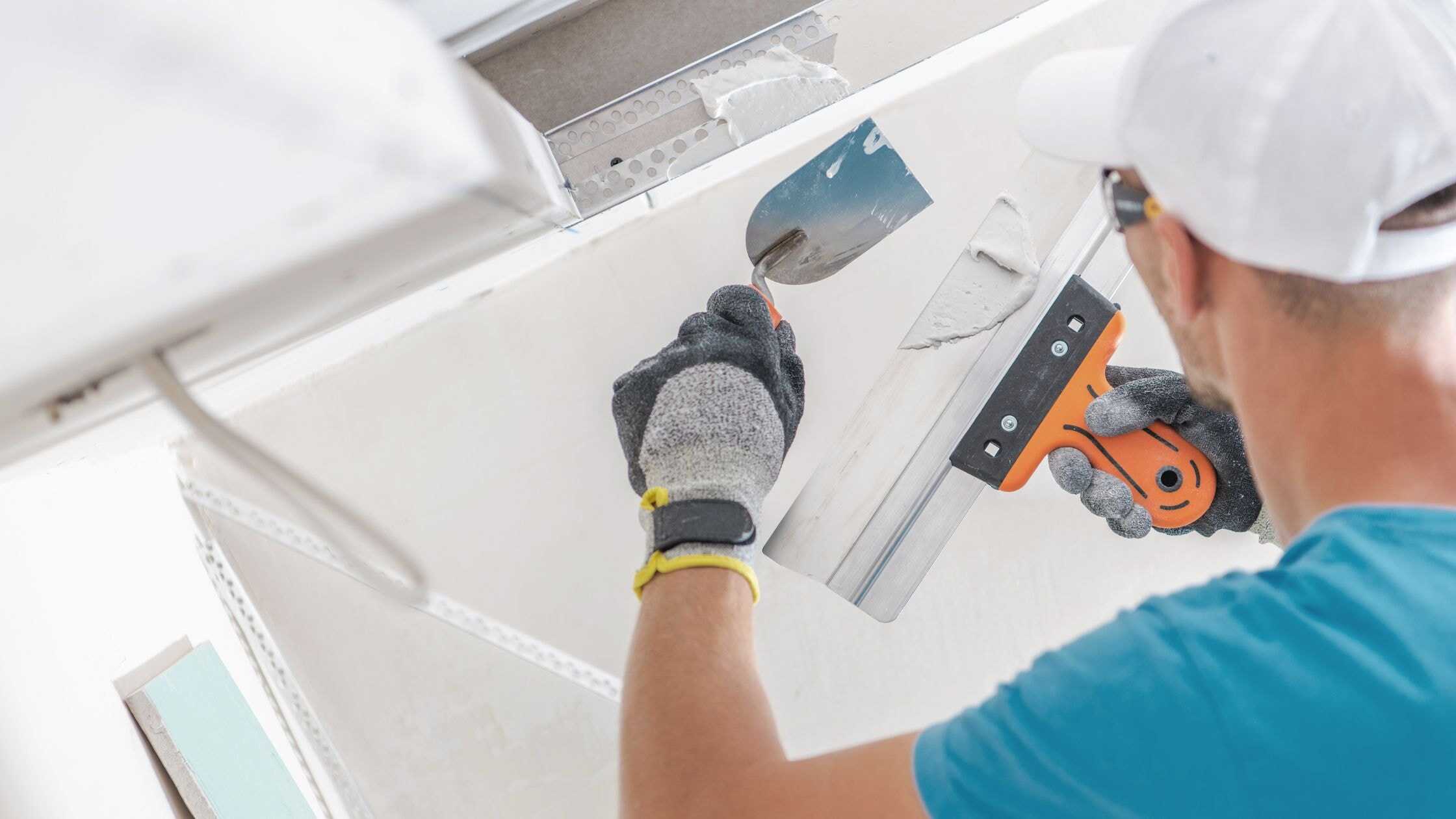
Drywall basement ceilings deliver clean, traditional aesthetics. The smooth surface accepts any paint color or textured finish. Professional installation ensures proper attachment to joists with ease. The drywall hangs directly against joists, preserving maximum ceiling height. This remains one of the most popular basement ceiling ideas for homeowners seeking seamless appearances.
Moisture resistance requires special attention. Mold-resistant drywall contains additives that inhibit growth in humid conditions. Proper basement insulation and basement waterproofing protect finished ceiling investments.
Should You Paint an Unfinished Basement Ceiling?
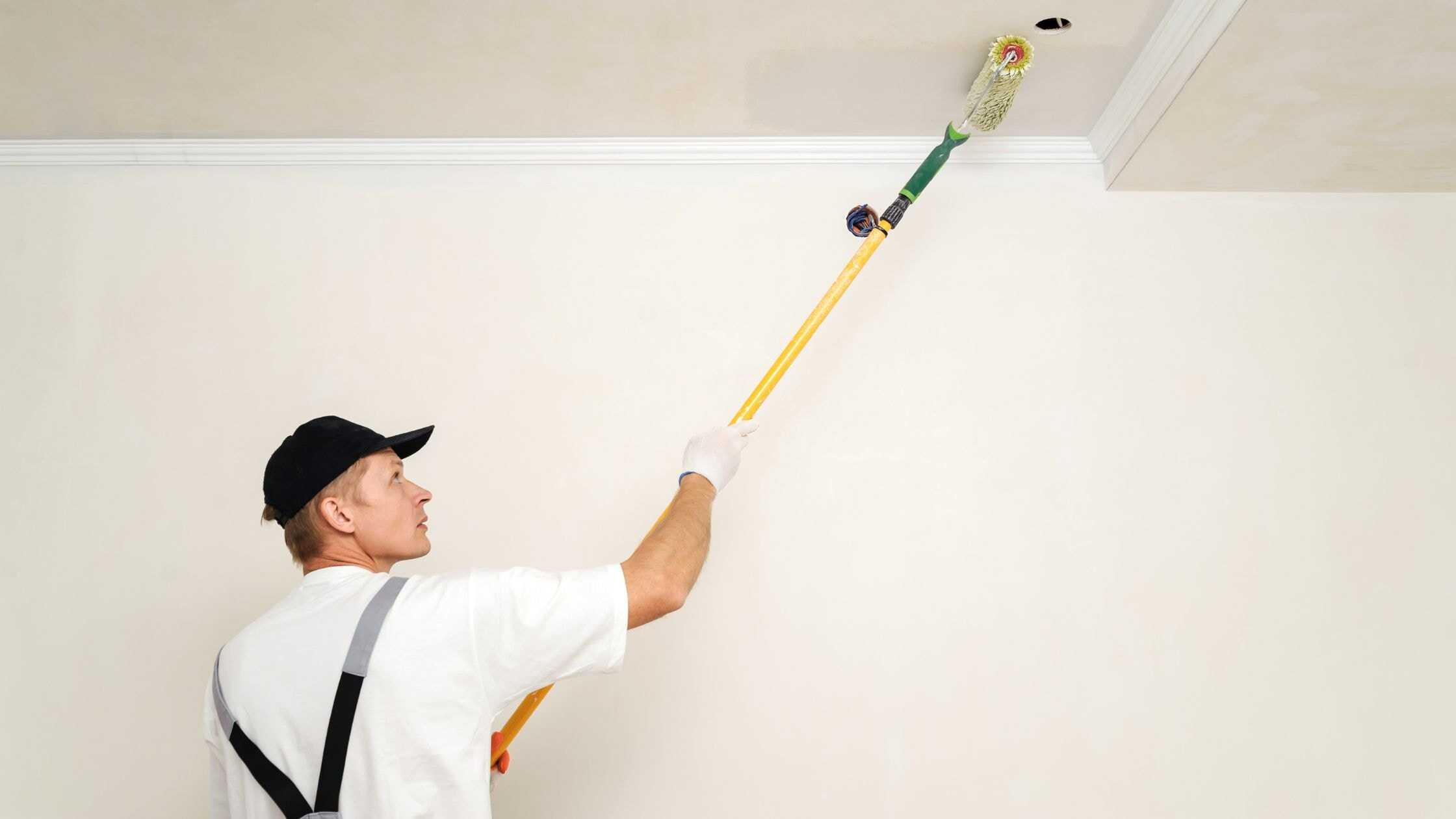
Painting unfinished ceilings creates finished appearances without significant investment or height loss. This DIY-friendly approach transforms exposed joists into intentional design elements.
Industrial style embraces visible structure. Matte black paint unifies pipes and joists. White paint brightens spaces and makes low ceilings feel higher.
Quick tip: Use flat or matte paint finishes on exposed ceilings to minimize reflections that highlight every pipe, creating a more unified appearance.
Budget-conscious homeowners appreciate low cost compared to other options. The space remains fully accessible.
Which Ceiling Tiles Work Best for Basements?

Ceiling tiles offer diverse styles that address basement challenges. Material selection impacts performance and appearance. Choosing the right tiles represents one of the most critical basement ceiling ideas for achieving professional results.
Mineral fiber ceiling tiles dominate basement applications through moisture resistance and sound dampening. These tiles install in standard drop ceiling grids.
Vinyl ceiling tiles provide superior moisture protection. The non-porous surface resists mold. Wood-look ceiling tiles combine natural wood look appearance with engineered stability. These planks deliver the ability to create warm, organic aesthetics without solid wood’s moisture sensitivity.
How Can You Make Low Ceilings Look Higher?
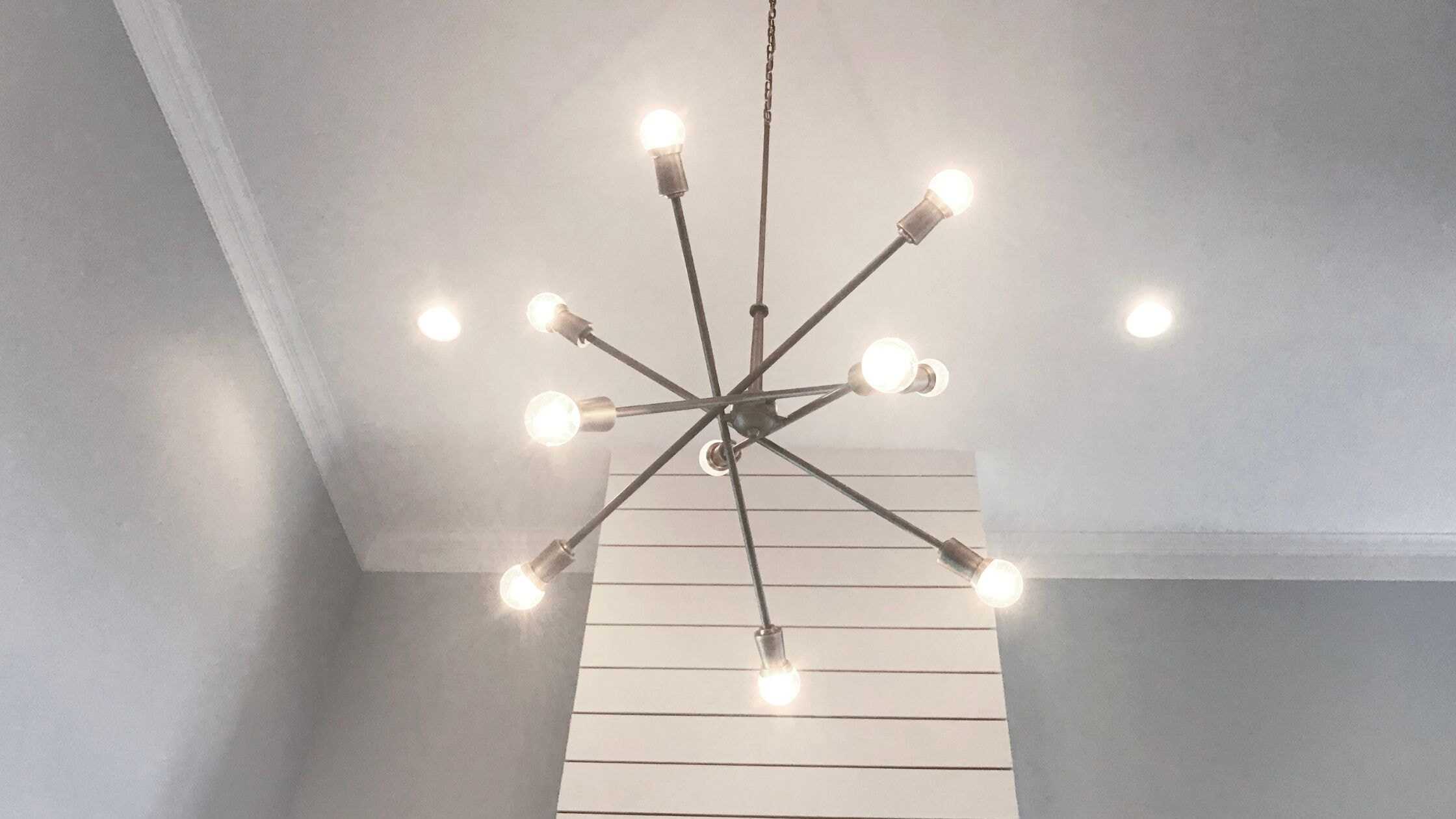
Low ceilings challenge basement projects. Strategic design choices create illusions of greater height that please the eye.
Light paint colors reflect more light and make ceilings recede visually. White remains most effective. Painting ceiling and walls the same color eliminates visual boundaries.
Minimize ceiling depth loss:
- Paint exposed joists instead of adding drop ceilings
- Install drywall directly against joists
- Use low-profile lighting
- Choose thin ceiling materials
Did you know? Strategic lighting can make 7-foot basement ceilings feel taller by directing light upward and eliminating dark corners.
Key Steps for Basement Ceiling Installation

Successful DIY basement ceiling projects follow these essential steps:
- Measure room dimensions and calculate materials with 10% overage
- Address moisture issues through waterproofing before ceiling work
- Organize and secure utilities for the chosen ceiling style
- Mark level lines for grid or drywall attachment
- Install primary structural elements systematically
- Add finish materials from one end to the other
- Install appropriate lighting fixtures
- Apply final paint or finishing touches
Drop ceilings suit moderately skilled homeowners. Drywall installation benefits from professional expertise for smooth results.
Frequently Asked Questions About Basement Ceiling Ideas
What is the cheapest basement ceiling option?
Painting exposed joists and utilities creates the most budget-friendly basement ceiling solution. This approach eliminates material cost beyond paint while preserving full ceiling height. Drop ceilings offer the next most affordable option with moderate DIY installation difficulty.
How do you hide pipes in basement ceilings?
Drop ceilings effectively conceal pipes while maintaining access for repairs. The suspended grid hangs below utilities, hiding them behind removable tiles. Drywall ceilings permanently cover utilities but require cutting for access.
Can you install ceiling tiles directly to joists?
Yes, certain ceiling tiles attach directly to joists without drop ceiling grids. Lightweight wood planks and PVC panels use tongue-and-groove installation. This preserves more ceiling height than suspended systems.
How much does basement ceiling installation cost?
Basement ceiling costs vary by material and installation. Painted exposed ceilings cost least. Drop ceiling materials fall mid-range. Drywall with professional installation represents higher investment. Room size and material quality affect final pricing.
Should basement ceilings be insulated?
Insulate basement ceilings only when keeping the basement unheated. The insulation contains heat in living spaces above. Finishing basements as living space requires insulating basement walls instead.
Creating Beautiful Basement Ceilings
Basement ceiling ideas span from budget-friendly painted joists to sophisticated designs. The right choice balances aesthetic goals with practical considerations like ceiling height, utility access, and moisture management.
Drop ceilings offer flexibility and easy DIY installation. Drywall provides seamless traditional finishes. Exposed painted ceilings embrace industrial style while maximizing height. Successful projects begin with addressing moisture through proper waterproofing.
Frederick homeowners benefit from professional guidance that helps navigate options and ensure code compliance. Thoughtful ceiling design completes the basement finishing vision, creating rooms the whole family enjoys.